

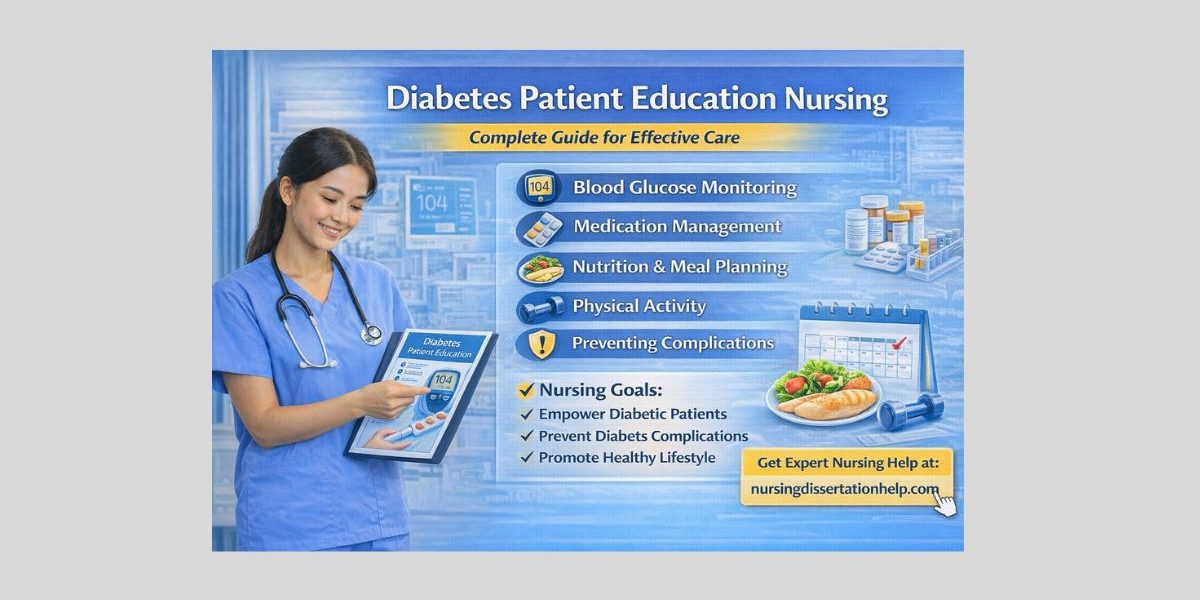
Diabetes Patient Education Nursing: A Complete Guide for Effective Patient Care
Diabetes patient education in nursing is a cornerstone of chronic disease management, as diabetes requires continuous self-care, monitoring, and lifestyle adjustments. Without proper education, patients are at significant risk of complications such as hypoglycemia, hyperglycemia, cardiovascular disease, and long-term organ damage. Therefore, nurses play a critical role in equipping patients with the knowledge and skills needed to manage their condition effectively.
A comprehensive nursing education plan for diabetes patients goes beyond basic instruction. It involves patient-centered teaching, behavioral support, and continuous evaluation to ensure that patients understand and apply what they have learned. For nursing students and professionals alike, mastering diabetes education is essential for improving patient outcomes and delivering high-quality care.
Understanding Diabetes as the Foundation of Patient Education
To effectively deliver diabetes patient education nursing, nurses must first understand the condition in depth. Diabetes mellitus is a metabolic disorder characterized by elevated blood glucose levels due to insufficient insulin production, impaired insulin action, or both.
There are two primary types of diabetes. Type 1 diabetes involves autoimmune destruction of insulin-producing cells, requiring lifelong insulin therapy. Type 2 diabetes, which is more common, is associated with insulin resistance and often linked to lifestyle factors.
This distinction is important because it directly influences the approach to patient education for diabetes management. While both types require monitoring and lifestyle adjustments, treatment strategies differ significantly.
Key Concepts Patients Must Understand
- The role of insulin in blood glucose regulation
- Differences between type 1 and type 2 diabetes
- Causes and risk factors of diabetes
- Importance of glycemic control
These foundational concepts form the basis of an effective diabetes education plan for patients.
Importance of Diabetes Patient Education in Nursing
Effective diabetes patient education in nursing practice is essential because diabetes management largely occurs outside healthcare settings. Patients are responsible for monitoring their condition, administering medications, and making daily lifestyle decisions.
Without proper education, patients may struggle with adherence, leading to poor outcomes and increased healthcare costs. Education empowers patients to take control of their health, improving both short-term and long-term outcomes.
Key Goals of Diabetes Education
- Promote self-management and independence
- Prevent acute and chronic complications
- Improve adherence to treatment plans
- Enhance quality of life
- Reduce hospital readmissions
These goals highlight the central role of nurses in managing diabetes through education.
Core Components of Diabetes Patient Education
A well-developed diabetes patient education nursing plan must address multiple aspects of care. Education should be structured, progressive, and tailored to the individual patient.
Rather than overwhelming the patient with information, nurses should deliver education in stages, reinforcing key concepts over time.
Essential Teaching Areas
- Blood glucose monitoring
- Medication management (including insulin)
- Diet and nutrition
- Physical activity
- Recognition of complications
Each of these areas contributes to a comprehensive approach to diabetes management.
Teaching Blood Glucose Monitoring
One of the most important aspects of diabetes education for patients is teaching how to monitor blood glucose levels. This allows patients to assess the effectiveness of their treatment and make necessary adjustments.
Nurses must demonstrate how to use a glucometer, interpret readings, and respond appropriately to abnormal values. Patients should also understand target glucose ranges and the importance of consistency in monitoring.
Key Monitoring Guidelines
- Check blood glucose at recommended times
- Record readings for trend analysis
- Understand target ranges
- Recognize abnormal results
By mastering these skills, patients can take an active role in managing their condition.
Medication Education in Diabetes Care
Medication adherence is critical in diabetes management. Therefore, diabetes patient education nursing must include clear instruction on medications, including oral agents and insulin.
Patients should understand how their medications work, when to take them, and potential side effects. This knowledge reduces the risk of errors and improves adherence.
Key Medication Teaching Points
- Correct dosage and timing
- Purpose of each medication
- Potential side effects
- Importance of adherence
This ensures safe and effective treatment.
Nutrition Education for Diabetes Patients
Diet plays a central role in diabetes management. Nurses must educate patients on how food affects blood glucose levels and how to make healthy dietary choices.
Rather than imposing strict restrictions, education should focus on balance and sustainability. Patients are more likely to adhere to recommendations that fit their lifestyle.
Key Nutrition Guidelines
- Control carbohydrate intake
- Eat balanced meals
- Maintain regular meal times
- Avoid excessive sugar consumption
These principles support stable blood glucose levels and overall health.
Physical Activity in Diabetes Management
Physical activity improves insulin sensitivity and helps regulate blood glucose levels. Therefore, it is an essential component of diabetes patient education in nursing.
Nurses should encourage patients to engage in regular, moderate exercise, while also considering individual limitations and preferences.
Benefits of Physical Activity
- Improves glucose control
- Enhances cardiovascular health
- Supports weight management
- Reduces stress
Integrating exercise into daily routines strengthens diabetes management.
Recognizing and Managing Complications
A critical part of diabetes patient education nursing is teaching patients to recognize early signs of complications. Prompt action can prevent serious outcomes.
Signs of Hypoglycemia
- Sweating and shakiness
- Confusion
- Rapid heartbeat
- Hunger
Signs of Hyperglycemia
- Increased thirst
- Frequent urination
- Fatigue
- Blurred vision
Patients must be taught how to respond appropriately to these symptoms.
Request Quote
Need a high-quality diabetes patient education nursing assignment with depth, clinical accuracy, and proper structure?
Get expert-written, plagiarism-free nursing content tailored to your requirements.
Diabetes Patient Education Nursing: Advanced Teaching Strategies, Individualization, and Clinical Application
A high-quality approach to diabetes patient education in nursing requires more than delivering information—it demands adaptability, critical thinking, and patient-centered teaching. At advanced levels, nurses must assess each patient’s unique needs, tailor education accordingly, and apply evidence-based strategies that ensure long-term adherence.
In both academic and clinical contexts, this level of depth demonstrates mastery. It shows that the nurse is not only knowledgeable but also capable of translating complex medical concepts into practical, patient-friendly guidance.
Individualizing Diabetes Education for Patient Needs
One of the most important principles in nursing education for diabetes patients is individualization. Patients differ in age, cultural background, health literacy, emotional readiness, and comorbid conditions. These differences significantly influence how education is received and applied.
For example, a newly diagnosed young adult may require detailed explanations about lifestyle integration and long-term disease management. In contrast, an elderly patient may benefit from simplified instructions, repetition, and caregiver involvement.
Individualization ensures that education is relevant and effective, rather than generic and overwhelming.
Key Factors Influencing Individualized Education
- Age and developmental stage
- Cognitive ability and memory
- Cultural beliefs and language
- Health literacy level
- Emotional readiness and acceptance
By addressing these factors, nurses strengthen the effectiveness of a diabetes patient education nursing plan.
Advanced Teaching Strategies in Diabetes Education
Effective diabetes patient education in nursing practice relies on structured teaching strategies that promote understanding and retention. Simply explaining information is not enough—patients must be able to apply what they learn in real-life situations.
One of the most effective approaches is the teach-back method. This involves asking patients to explain the information in their own words, allowing the nurse to assess comprehension and correct misunderstandings.
Demonstration and return demonstration are also essential, particularly for skills such as glucose monitoring and insulin administration.
Evidence-Based Teaching Strategies
- Use clear, simple, and non-technical language
- Apply the teach-back method
- Demonstrate procedures and allow practice
- Provide written and visual aids
- Reinforce learning through repetition
These strategies ensure that diabetes education for patients is both practical and sustainable.
Addressing Barriers to Effective Diabetes Education
Even when education is well-designed, patients may face barriers that hinder adherence. Identifying and addressing these barriers is a key component of diabetes patient education nursing.
Barriers may include financial limitations, cultural beliefs, fear, lack of support, or misconceptions about the disease. For instance, some patients may view diabetes as a temporary condition, leading to poor adherence.
Nurses must approach these challenges with empathy, ensuring that education is supportive and empowering.
Common Barriers and Nursing Interventions
- Low health literacy: Simplify instructions and use visuals
- Financial constraints: Refer to affordable resources
- Cultural beliefs: Respect and integrate cultural perspectives
- Emotional resistance: Provide reassurance and counseling
- Lack of support: Involve family or caregivers
Addressing these barriers enhances the success of the diabetes education plan for patients.
Case Study: Diabetes Patient Education in Practice
To illustrate practical application, consider the following clinical scenario.
A 60-year-old patient with type 2 diabetes presents with poor glycemic control and limited understanding of the condition. The patient reports inconsistent medication use and irregular meal patterns.
The nurse begins by assessing the patient’s knowledge, lifestyle, and readiness to learn. Education is then delivered gradually, focusing on key areas such as blood glucose monitoring, medication adherence, and dietary management.
The nurse uses demonstration techniques and the teach-back method to confirm understanding. Written materials are provided for reinforcement.
Key Interventions in the Case Study
- Assessment of learning needs and readiness
- Step-by-step education on glucose monitoring
- Medication adherence counseling
- Nutrition and lifestyle guidance
- Use of teach-back for understanding
Evaluation of Outcomes
Over time, the patient demonstrates improved adherence, better glucose control, and increased confidence in managing their condition. These outcomes indicate that the diabetes patient education nursing plan is effective.
Monitoring and Follow-Up in Diabetes Education
Education is an ongoing process. Nurses must continuously evaluate patient progress and reinforce learning. Follow-up is essential for identifying gaps in knowledge and addressing new challenges.
Regular monitoring helps ensure that patients maintain proper practices and adapt to changes in their condition.
Key Follow-Up Practices
- Review blood glucose records
- Assess medication adherence
- Evaluate dietary habits
- Address patient concerns
- Reinforce key education points
This continuous process supports long-term success in diabetes patient education nursing.
Evidence-Based Practice in Diabetes Education
A strong diabetes education plan for patients must be grounded in current research and clinical guidelines. Evidence-based practice ensures that interventions are effective and aligned with best practices.
Research supports structured education programs, patient-centered communication, and continuous reinforcement as key factors in improving outcomes.
Evidence-Based Approaches
- Structured diabetes education programs
- Patient-centered teaching methods
- Continuous follow-up and reinforcement
- Use of digital tools for monitoring
By integrating these approaches, nurses enhance both patient outcomes and professional practice.
Request a Professional Nursing Assignment Assistance
Request Quote
Diabetes Patient Education Nursing: Long-Term Management, Discharge Planning, Prevention, and FAQs
A comprehensive diabetes patient education nursing approach extends beyond initial teaching to long-term support, behavioral reinforcement, and prevention of complications. While early education focuses on understanding the disease and basic self-care, advanced nursing practice ensures that patients can sustain these behaviors over time.
For both academic excellence and clinical effectiveness, this stage demonstrates the nurse’s ability to support patients holistically—physically, emotionally, and socially—while promoting independence and improved quality of life.
Long-Term Self-Management in Diabetes Care
Long-term success in diabetes management depends on the patient’s ability to consistently apply learned behaviors. This includes monitoring blood glucose, adhering to medication, maintaining a balanced diet, and integrating physical activity into daily routines.
Nurses must reinforce that diabetes is a lifelong condition requiring continuous management. Education should focus on empowering patients to make informed decisions rather than relying solely on healthcare providers.
Key Elements of Long-Term Self-Management
- Regular blood glucose monitoring
- Medication adherence
- Consistent dietary planning
- Integration of physical activity
- Recognition of early warning signs
By strengthening these areas, nurses support effective diabetes patient education in nursing practice.
Discharge Planning in Diabetes Education
Discharge planning is a critical transition point in nursing education for diabetes patients, as it determines how well patients manage their condition outside the healthcare setting. Without proper preparation, patients may struggle with medication adherence, dietary control, or glucose monitoring.
Nurses must ensure that patients leave with clear, practical instructions and demonstrated competence in key skills.
Essential Components of Discharge Planning
- Clear instructions on medications and insulin use
- Demonstration of glucose monitoring techniques
- Dietary and lifestyle guidance
- Emergency management instructions
- Scheduled follow-up appointments
In addition, nurses should assess the patient’s access to resources and support systems.
Preventing Complications Through Patient Education
Prevention is a central goal of diabetes patient education nursing, as diabetes is associated with both acute and chronic complications. Effective education reduces the risk of these complications and improves long-term outcomes.
Acute complications include hypoglycemia and hyperglycemia, while chronic complications affect the cardiovascular system, kidneys, eyes, and nerves.
Common Complications to Prevent
- Hypoglycemia
- Hyperglycemia
- Diabetic ketoacidosis (DKA)
- Cardiovascular disease
- Neuropathy and nephropathy
Preventive Nursing Strategies
- Teach early recognition of symptoms
- Encourage adherence to treatment
- Promote healthy lifestyle habits
- Reinforce regular monitoring
Through prevention-focused education, nurses enhance patient safety and quality of care.
Lifestyle Integration in Diabetes Management
Effective diabetes management requires patients to integrate care into their daily lives. This includes balancing medication, diet, and physical activity in a way that is sustainable.
Nurses must provide realistic and practical advice. Overly complex recommendations can lead to confusion and non-adherence.
Key Lifestyle Recommendations
- Maintain a balanced diet with controlled carbohydrates
- Engage in regular physical activity
- Follow consistent meal schedules
- Manage stress effectively
These strategies support stable blood glucose levels and overall well-being.
Psychosocial Support in Diabetes Education
Diabetes management can be emotionally challenging. Patients may experience stress, anxiety, or frustration, particularly when adjusting to lifestyle changes. Therefore, a holistic diabetes patient education nursing plan must include psychosocial support.
Nurses should create an environment that encourages open communication and emotional expression.
Psychosocial Interventions
- Provide emotional support and reassurance
- Encourage patient involvement in decision-making
- Involve family members or caregivers
- Refer to support groups if necessary
Addressing emotional needs improves adherence and long-term outcomes.
Common Mistakes in Diabetes Patient Education
To ensure effective outcomes, it is important to avoid common errors in diabetes education for patients.
Frequent Mistakes
- Providing too much information at once
- Using complex medical terminology
- Failing to confirm patient understanding
- Ignoring individual patient needs
- Skipping follow-up and reinforcement
Avoiding these mistakes strengthens the quality of patient education.
Frequently Asked Questions (FAQ)
What is diabetes patient education in nursing?
It involves teaching patients how to manage diabetes through medication, diet, monitoring, and lifestyle changes.
Why is diabetes education important?
It improves self-management, prevents complications, and enhances patient outcomes.
What should nurses teach diabetes patients?
Nurses should teach blood glucose monitoring, medication use, diet, exercise, and complication recognition.
How can patients prevent diabetes complications?
By maintaining proper glucose control, adhering to treatment, and adopting a healthy lifestyle.
What role do nurses play in diabetes education?
Nurses provide instruction, support, and evaluation to ensure effective self-management.
How is diabetes managed long-term?
Through consistent monitoring, medication adherence, lifestyle adjustments, and regular follow-up.
Request Quote
Need a top-grade diabetes patient education nursing assignment that meets academic standards and stands out?
Let expert nursing writers deliver precise, evidence-based content tailored to your needs.
Final Thoughts
A comprehensive diabetes patient education nursing plan reflects the nurse’s ability to empower patients, promote independence, and prevent complications. From initial teaching to long-term self-management, education remains the cornerstone of effective diabetes care.
For nursing students, mastering diabetes education strengthens academic performance and clinical readiness. For professionals, it enhances patient outcomes and supports evidence-based practice.
