

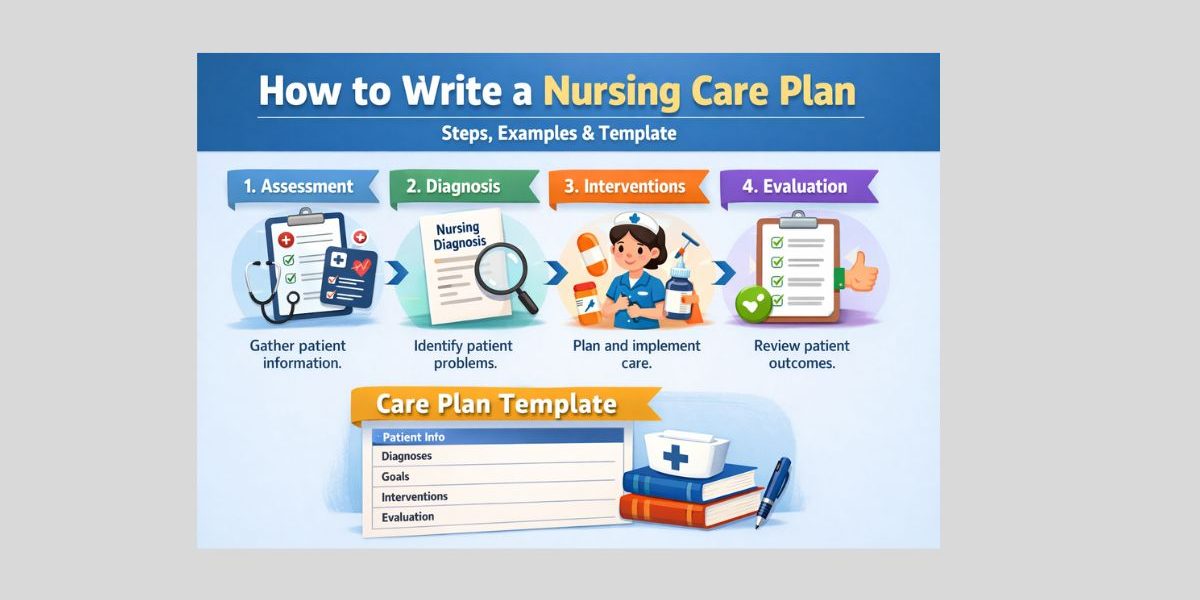
Nursing Care Plan Guide: Comprehensive Blueprint for Patient-Centered Care and Academic Success
Nurses and nursing students often struggle with writing effective care plans that genuinely improve patient outcomes. Nursing Care Plan Guide is the term that defines the structured framework you need to transform fragmented notes into evidence‑based, client‑centered roadmaps. If you’ve ever felt overwhelmed by endless assessment data, conflicting diagnostic labels, or the pressure to align your interventions with the latest research, you are not alone. This article tackles the real problem—understanding, creating and applying high‑quality nursing care plans—and provides an authoritative resource on why they matter and how to implement them properly.
Understanding the Challenge: Why Care Plans Feel Overwhelming
Health‑care environments are hectic. Nurses juggle multiple patients, each with unique needs, while students balance clinical rotations, assignments and exams. Care plans can feel like one more burdensome document. Yet their importance is clear; they are central to delivering patient‑centered care and ensuring consistency across the continuum of care. Research shows that standardized care plans improve the quality of nursing records and workflow and support continuity of care[1]. However, various barriers, including time constraints, knowledge gaps, resistance to change and inadequate IT infrastructure, limit their adoption[2].
Scholarly literature identifies several common challenges:
- Complexity of the nursing process: The five‑step process (assessment, diagnosis, outcomes/planning, implementation and evaluation) requires critical thinking and clinical judgment. Novice nurses often struggle to translate assessment data into effective diagnoses and interventions[3].
- Time pressures: With heavy patient loads, nurses may rush through documentation, leading to incomplete or generic care plans that hinder continuity[1].
- Lack of standardized formats: Different institutions use varying care‑plan templates. Without a clear Nursing Care Plan Guide, students may feel uncertain about how to structure their documentation[4].
- Limited evidence‑based knowledge: Integrating research into care plans requires up‑to‑date knowledge. Evidence demonstrates that nurse‑led interventions and standardized plans improve adherence and functional outcomes[5], but many nurses are unaware of these benefits.
- Adherence issues: Patients’ well‑being is closely linked to their adherence to care plans; if plans are complex, poorly communicated or not individualized, adherence declines[6].
These challenges highlight why a comprehensive and clear Nursing Care Plan Guide is essential for both novice and experienced nurses, and they underscore the need for supportive academic resources.
Why a Nursing Care Plan Guide Matters for Patient Care and Academic Success
Care plans are not mere paperwork; they are central to quality nursing care. They serve as a roadmap enabling nurses to monitor patient responses and adjust treatment[7]. A strong Nursing Care Plan Guide emphasizes personalization and evidence‑based practice, ensuring that interventions are targeted and measurable. This approach aligns with the nursing process defined in 1958, a systematic method integrated with critical thinking and evidence‑based practice[8].
According to open‑source research, well‑constructed care plans:
- Improve patient outcomes: Standardized plans enhance continuity of care, documentation quality and patient safety[1]. Evidence shows that adherence to care plans is linked to improved well‑being[6].
- Support critical thinking: By guiding nurses through assessment, diagnosis, planning, implementation and evaluation, care plans foster critical thinking and clinical reasoning[9].
- Enhance interdisciplinary communication: Care plans serve as a shared reference for the entire healthcare team. This documentation facilitates continuity across shifts and specialties[10].
- Promote evidence‑based practice: Standardized templates encourage integration of research findings. For example, nurse‑led interventions have been shown to improve self‑management and clinical indicators in adults with multimorbidity[5].
- Serve as legal and educational tools: Care plans document care provided and justify clinical decisions, protecting nurses and institutions in legal contexts[10]. They also serve as learning tools for students to develop professional judgment[4].
As you read this Nursing Care Plan Guide, remember that adopting a structured and evidence‑based approach is an investment in patient safety, professional development and academic success.
The Nursing Process: Foundation of Every Nursing Care Plan Guide
A comprehensive Nursing Care Plan Guide begins with an understanding of the nursing process. Established as a systematic, evidence‑based approach to patient care[8], the nursing process provides a structured framework that nurses use to deliver high‑quality care. Let’s explore each step in detail.
Assessment: Gathering Holistic Data
Assessment is the first step and forms the foundation of the care plan. Nurses collect both subjective data (patient reports) and objective data (vital signs, lab results)[12]. To perform a thorough assessment:
- Collect subjective data: Ask open‑ended questions about symptoms, lifestyle and concerns. Use active listening and empathy to build rapport.
- Gather objective data: Conduct physical examinations, review lab results, and utilize diagnostic tools. Document accurately.
- Involve family and caregivers: Especially in cases of dementia or chronic illness, family members provide critical insights about daily functioning and patterns.
- Prioritize safety: Identify immediate threats to patient safety (e.g., airway obstruction, bleeding) and address them promptly.
This step requires cultural sensitivity and respect for the patient’s values and beliefs. Document findings comprehensively to inform the next phase.
Diagnosis: Identifying Nursing Problems and Priorities
After collecting data, nurses identify actual or potential health problems and prioritize them using nursing diagnoses. According to the StatPearls article, nursing diagnosis involves interpreting patient responses to health problems using standardized NANDA terminology[13]. Maslow’s hierarchy of needs guides prioritization: physiological and safety needs take precedence[14]. Key considerations include:
- Problem identification: Identify patterns in the data to formulate nursing diagnoses. For instance, “Impaired Gas Exchange” or “Risk for Falls.”
- Etiology: Determine contributing factors such as underlying disease, lifestyle or environment.
- Defining characteristics: Identify signs and symptoms that support the diagnosis.
- Prioritization: Use clinical judgment and Maslow’s hierarchy to decide which diagnoses need immediate attention.
A clear diagnosis is essential for selecting evidence‑based interventions. Without it, subsequent steps may be ineffective.
Outcomes/Planning: Setting SMART Goals and Choosing Interventions
Planning translates diagnoses into measurable goals and interventions. The planning phase provides direction for personalized care, improving communication and continuity across the care continuum[15]. Guidelines for this phase include:
- Set SMART goals: Goals should be Specific, Measurable, Attainable, Realistic and Time‑oriented[16]. For example, “Patient will maintain blood glucose within 100–140 mg/dL within 24 hours.”
- Collaborate with patients: Engage patients in goal setting to improve adherence and reflect their values and preferences.
- Select evidence‑based interventions: Choose interventions supported by research and tailored to patient needs. For instance, nurse‑led self‑management education has been shown to improve glycemic control and self‑efficacy[17].
- Document clearly: Use standardized formats and include rationales for each intervention.
Implementation: Putting Plans into Action
Implementation involves executing the interventions, coordinating care with interdisciplinary teams and continuously monitoring responses. Nurses should:
- Carry out interventions: Provide direct care (e.g., wound care, medication administration) or delegate appropriately.
- Educate patients: Provide education on medication, lifestyle, and self‑management. Research shows that nurse‑led education improves adherence and outcomes[17].
- Document progress: Record actions taken, patient responses and any changes to the plan.
- Promote collaboration: Communicate with physicians, physical therapists, social workers and other team members to ensure cohesive care[10].
Evaluation: Assessing Outcomes and Revising Plans
Evaluation determines whether goals are met and whether the care plan needs revision. Nurses compare current patient outcomes with expected outcomes and ask:
- Were goals achieved? If so, document success and identify factors that contributed to success.
- Were interventions effective? If not, revise the care plan by modifying interventions or adjusting goals.
- What needs to change? Consider new data, changes in patient condition and emerging evidence.
Evaluation is continuous; it ensures that care plans remain dynamic, responsive and aligned with best practices.
Research‑Backed Challenges in Nursing Care Planning and How to Overcome Them
Limited Time and Resources
Nurses often operate under significant time pressure, juggling multiple tasks. Time limitations lead to incomplete assessments and generic care plans that fail to individualize care. Research from MDPI notes that standardized care plan implementation is hindered by a lack of time and IT resources[2]. Solution: Advocate for adequate staffing and use electronic health records (EHRs) that streamline documentation. Collaboration with interdisciplinary teams can distribute responsibilities and reduce duplication of efforts.
Knowledge Gaps and Education
Students and novice nurses may lack confidence in using NANDA diagnoses or setting SMART goals[4]. Evidence shows that positive learning attitudes and tutor feedback enhance competency in care plan writing[4]. Solution: Engage in continuous professional development and seek mentorship. Use resources like this Nursing Care Plan Guide, join professional organizations and attend workshops to enhance your knowledge.
Resistance to Change and Standardization
Institutional cultures may resist implementing standardized care plans due to tradition or perceived loss of autonomy. Studies highlight barriers such as resistance to change and time management issues[2]. Solution: Demonstrate the benefits of standardized care plans—improved documentation quality and workflow efficiency[1]—and involve staff in the decision‑making process.
Patient Adherence and Well‑Being
Poor adherence to care plans can undermine patient outcomes. A scoping review found that patient well‑being is closely related to adherence to nursing care plans, and factors like demographics or plan complexity influence adherence[6]. Solution: Simplify language, provide clear education and engage patients in decision‑making to enhance adherence. Consider cultural, socioeconomic and literacy factors when designing care plans.
Integration of Evidence and Research
A common challenge is the integration of current research into daily practice. Evidence suggests nurse‑led interventions significantly improve clinical indicators and reduce hospital readmissions[5]. Solution: Use reputable databases such as PubMed and Google Scholar, subscribe to professional journals and incorporate evidence summaries into your care plans. This Nursing Care Plan Guide includes references from scholarly sources to facilitate this process.
The Benefits of a Structured Nursing Care Plan Guide
Evidence consistently shows that using a structured and standardized care plan yields tangible benefits for patients, nurses and institutions. Here are some of the key benefits, supported by research.
Improved Quality of Care and Documentation
Standardized care plans enhance the quality and completeness of nursing records, improve workflow and facilitate systematic data gathering[1]. This improvement benefits both patients and nurses by ensuring that critical information is documented and accessible. Moreover, standardized care plans are associated with better management of chronic diseases, such as diabetes and heart failure[18].
Enhanced Patient Outcomes
Research demonstrates that when nursing interventions are evidence‑based and part of a structured care plan, patients experience better outcomes. A systematic review of nurse‑led interventions found improvements in medication adherence, self‑management and clinical indicators such as blood pressure and glucose levels[5]. Standardized care plans also reduce hospital readmissions and mortality[5].
Strengthened Patient Engagement and Adherence
Care plans that involve patients in goal setting improve adherence and well‑being[6]. Personalizing care plans to reflect patient values and preferences increases cooperation and satisfaction. For example, using motivational interviewing techniques and collaborative goal setting can improve adherence in chronic disease management[2].
Professional Growth and Critical Thinking
Engaging in care plan development sharpens clinical reasoning, critical thinking and decision‑making skills[9]. Students and novice nurses learn to apply theoretical knowledge to real‑world scenarios, building confidence and competence[4]. As you work through the steps in this Nursing Care Plan Guide, you will improve your ability to think holistically and anticipate patient needs.
Improved Communication and Collaboration
Care plans serve as a shared reference for the healthcare team. They promote effective handoffs and interdisciplinary collaboration, reducing errors and enhancing continuity[10]. Clear documentation ensures everyone—physicians, nurse practitioners, dietitians, therapists—understands the patient’s needs and contributes to consistent care.
Legal Protection and Quality Assurance
Well‑documented care plans protect nurses and institutions in legal and ethical contexts[10]. They provide evidence of adherence to standards of care, which is essential in case of litigation or audits. Organizations use care plans to monitor quality indicators and drive continuous improvement.
These benefits illustrate why following a structured Nursing Care Plan Guide is crucial for both everyday practice and academic success.
Integrating Evidence: Research and Nurse‑Led Interventions
Evidence‑based practice is a core principle of modern nursing. Incorporating research into your care plans ensures that interventions are effective and aligned with current standards. Here’s how to integrate evidence into your care planning process.
Use Reputable Databases and Sources
Sources like PubMed, Google Scholar and ResearchGate provide access to peer‑reviewed research. For example, the American Nurses Association emphasizes evidence‑based practice to improve patient outcomes and reduce variability[19]. The MDPI article on standardized care plans for chronic diseases notes that structured plans, supported by research, facilitate patient engagement and motivational interviewing[2].
Incorporate Nurse‑Led Interventions
Nurse‑led interventions are effective in managing chronic conditions and promoting self‑management. For instance, nurse‑led diabetes education programs significantly reduce HbA1c and improve adherence[17]. Integrate such evidence into your interventions; if your patient has diabetes, plan for nurse‑led education sessions on diet and medication adherence.
Align with Clinical Practice Guidelines
Refer to guidelines from professional organizations such as the American Nurses Association, the National Institute for Health and Care Excellence (NICE) and the World Health Organization (WHO). For example, guidelines on heart failure management recommend nurse‑coordinated multidisciplinary interventions to reduce readmissions.[5].
Document Evidence in Your Care Plan
When writing rationales for interventions, cite the research that supports them. For instance, if you recommend implementing a fall‑prevention program for an elderly patient, reference a study demonstrating the effectiveness of such programs in reducing fall rates. Use the citation format required by your institution.
Evaluate and Update Based on New Evidence
Evidence evolves rapidly. Regularly review literature and update care plans accordingly. Joining professional organizations or subscribing to nursing journals can help you stay current. Use this Nursing Care Plan Guide as a living document: revise it as new research emerges and your clinical experience grows.
Best Practices for Writing a Nursing Care Plan
Crafting an effective care plan requires more than filling out a template. Here are actionable tips and a sample table to guide you.
Use a Standardized Format
A clear structure ensures that all critical elements are included. Common formats include three‑column and four‑column plans. Below is an example of a four‑column format using NANDA diagnoses, SMART goals, interventions and rationales.
| Nursing Diagnosis | SMART Goal | Interventions | Rationale |
| Impaired Gas Exchange related to excess mucus production | Patient’s oxygen saturation will remain above 92% within 8 hours | 1. Monitor SpO₂ every hour.<br>2. Encourage incentive spirometry every 2 hours.<br>3. Administer prescribed bronchodilators as needed. | Monitoring allows timely detection of hypoxemia; incentive spirometry promotes lung expansion; bronchodilators reduce bronchospasm and improve airflow[12]. |
| Risk for Falls related to weakness and unfamiliar environment | Patient will remain free from falls during hospitalization | 1. Use bed alarms and keep bed in low position.<br>2. Encourage use of call light for assistance.<br>3. Assess environment for obstacles and provide non‑slip footwear. | Safety measures reduce fall risk; early assistance prevents unsupervised ambulation; a clutter‑free environment minimizes hazards[14]. |
This table demonstrates how to combine nursing diagnoses with measurable goals, interventions and evidence‑based rationales.
Write SMART Goals
SMART goals ensure that progress is quantifiable and realistic. Instead of “Patient will improve mobility,” write “Patient will ambulate 50 feet with minimal assistance within 24 hours.” This clarity guides interventions and evaluation.
Provide Evidence‑Based Rationales
Always include a rationale explaining why a particular intervention is chosen. This not only justifies your decision but also reinforces critical thinking. Rationales should reference literature, guidelines or pathophysiology.
Individualize Interventions
Avoid using generic care plans. Tailor interventions to the patient’s age, cultural background, health literacy, social support and preferences. For instance, the care plan for a teenager with asthma should differ from that for a senior with COPD.
Document and Evaluate Continuously
Document interventions promptly and evaluate their effectiveness. Note any changes in the patient’s condition and adjust the care plan accordingly. Continuous evaluation is vital to ensure that the care plan remains relevant and effective.
Incorporate Teaching and Learning
Patient education is integral to nursing care. When designing interventions, think about how you can teach patients to manage their conditions. For example, teach diabetic patients how to check blood glucose, administer insulin and recognize signs of hypoglycemia; research shows that nurse‑led education improves self‑management[17].
Choosing the Right Academic Support Service
As a nursing student, you may need help writing complex care plans or research projects. Selecting a reputable academic service is crucial to ensure ethical assistance and quality output. This section provides guidance on what to look for when choosing a Nursing Care Plan Guide service.
Evaluate Expertise and Credentials
Look for services that employ qualified nursing professionals with advanced degrees and clinical experience. Our nursing research paper help service, for example, is staffed by nurse scholars who understand both clinical practice and academic standards. Their expertise ensures that your care plans are accurate, evidence‑based and aligned with academic requirements.
Check Ethical Practices
Ensure the service follows ethical guidelines. We provide guidance and examples but expect you to use them responsibly. Our nursing dissertation refund policy outlines expectations and protects clients. Ethical services should not promote plagiarism or academic dishonesty.
Understand the Process
Transparency is key. A trustworthy service will clearly explain how it works. For example, our how it works page details the ordering process, collaboration with your writer and revisions. This clarity helps you set realistic timelines and expectations.
Assess Support and Communication
Effective communication with your writer or tutor is essential. Check whether the service offers direct messaging, progress updates and opportunities for feedback. At nursingdissertationhelp.com, we prioritize client engagement and provide regular updates on your project.
Compare Pricing and Value
Cost is important, but the cheapest option may not offer quality or reliability. Review pricing structures and what is included. We provide transparent nursing dissertation pricing so you can make an informed decision. Consider the value you receive, expert feedback, research support, revisions, and weigh it against your budget.
Review Testimonials and Samples
Look for samples or testimonials that demonstrate the service’s quality. Reliable services may offer sample care plans or case studies. Our case studies page showcases real examples of work we’ve done, demonstrating our commitment to quality and client satisfaction.
Ensure Confidentiality and Privacy
Choose a service that prioritizes confidentiality. Academic and personal information should be protected. Our about us page explains our commitment to privacy and data protection.
By following these steps, you can select a service that provides reliable and ethical support for your care plans and academic projects.
Ethical Considerations in Using a Nursing Care Plan Guide
Maintain Academic Integrity
Academic support should augment, and not replace your own learning. Use examples and guidance as references and cite them properly. Plagiarism undermines your professional integrity and can have serious academic consequences.
Respect Patient Confidentiality
When documenting case studies or care plans, remove identifying information. Follow HIPAA and institutional guidelines to protect patient privacy. Use pseudonyms and avoid unnecessary details.
Use Services Responsibly
Services like ours offer guidance, editing and sample work. They help you learn how to integrate evidence, structure your care plans and refine your writing. However, the ultimate responsibility for content creation and understanding lies with you. Leverage these resources ethically to enhance your learning and patient care.
Advocate for Evidence‑Based Practice
Using a Nursing Care Plan Guide should reinforce your commitment to evidence‑based practice. Stay abreast of new research, evaluate your interventions and refine your care plans accordingly. Encourage peers and colleagues to adopt similar practices to improve patient outcomes and professional standards.
FAQs
- Why is a Nursing Care Plan Guide important?
A Nursing Care Plan Guide simplifies the complex process of creating evidence‑based care plans. It helps you systematically assess, diagnose, plan, implement and evaluate patient care, ensuring consistency and improving outcomes. Research shows that standardized care plans enhance documentation, workflow and patient well‑being[1][6].
- How does using a guide align with evidence‑based practice?
By following a structured Nursing Care Plan Guide, you can incorporate research findings into your interventions. Evidence shows that nurse‑led interventions improve self‑management, adherence and clinical outcomes[5]. A guide prompts you to reference scholarly sources and align your practice with current guidelines.
- Can I use an academic service and still maintain academic integrity?
Yes. Ethical services provide guidance, feedback and examples to help you improve your work. You should use these resources to learn, not to produce plagiarized content. Our service emphasizes transparency, confidentiality and educational support. Our qualitative data analysis and inferential statistics help for nursing research pages detail how we support students responsibly.
- What if I need help with data analysis or statistics?
We offer specialized services like regression analysis help and dissertation data analysis help to support your research. These services ensure that your care plans and dissertations are grounded in rigorous analysis.
- How can I stay updated on nursing best practices?
Continue learning through professional development, subscriptions to nursing journals and attendance at conferences. Join professional organizations such as the American Nurses Association and engage in evidence‑based practice discussions. Use this Nursing Care Plan Guide as a living document—update it with new evidence and experiences.
- What services do you offer beyond care plan guidance?
In addition to helping you craft nursing care plans, we support a wide range of academic needs. Explore our DNP dissertation help, coursework help for nursing students, and nursing assignment help pages for more services.
Final Thoughts
A well‑designed Nursing Care Plan Guide is more than a document, it’s a lifeline for patient safety, a tool for professional development and a bridge between theory and practice. By understanding the nursing process, overcoming common challenges, integrating research and following best practices, you can create care plans that truly make a difference.
Remember that help is available. Whether you’re a nursing student learning the basics or an experienced nurse refining your documentation, you can benefit from expert guidance. Our team at nursingdissertationhelp.com is here to support you with evidence‑based resources, sample care plans and comprehensive academic services. If you’re struggling with a complex project or simply want feedback on your care plan, explore our order page to get started today.
Take the next step toward mastering care planning and improving patient outcomes. Use this Nursing Care Plan Guide to guide your practice and leverage our expert services to enhance your academic journey. Together, we can transform care plans from a mandatory task into a powerful tool for change.
References
[1] (PDF) Facilitating the Implementation of Standardized Care Plans in Municipal Healthcare
[2] [18] Assessment of Standardized Care Plans for People with Chronic Diseases in Primary Care Settings | MDPI
https://www.mdpi.com/2039-4403/14/2/62
[3] Nursing Care Plan: Guide with Examples & Writing Tips | USAHS
https://www.usa.edu/blog/how-to-write-a-care-plan/
[4] Care Plan Writing in Nursing Education: Challenges, Competence, and Clinical Preparedness
https://www.mdpi.com/2039-4403/15/4/134
[5] Nurse‐Led Interventions to Improve Health, Adherence, and Functional Outcomes in Adults and Older Adults With Multimorbidity: A Systematic Review of Randomized and Quasiexperimental Studies
[6] Patients’ wellbeing and nursing care plans, understanding adherence and relevant factors, a scoping review | Auctores
[7] (PDF) Effectiveness of Standardized Nursing Care Plan on Nurses’ Usability Regarding
[8] [11] [12] [13] [14] [15] [16] Nursing Process – StatPearls – NCBI Bookshelf
https://www.ncbi.nlm.nih.gov/books/NBK499937/
[9] NURSING PROCESS – Nursing Fundamentals – NCBI Bookshelf
https://www.ncbi.nlm.nih.gov/books/NBK610818/
[10] Nursing Care Plans: What They Are and How to Create One
https://www.wgu.edu/blog/nursing-care-plans-introduction2111.html
[17] Frontiers | Impact of nurse-led self-management education on type 2 diabetes: a meta-analysis
https://www.frontiersin.org/journals/public-health/articles/10.3389/fpubh.2025.1622988/full
[19] How Nurses Can Affect Positive Patient Outcomes | ANA
https://www.nursingworld.org/content-hub/resources/nursing-leadership/positive-patient-outcomes/
