

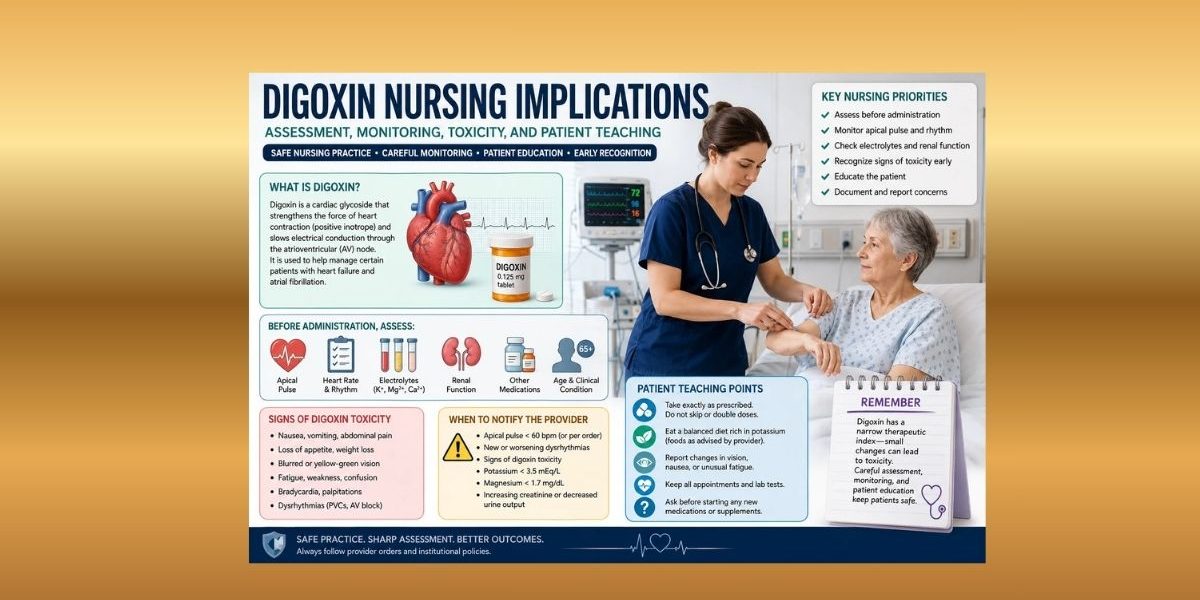
Digoxin is a cardiac glycoside used in selected patients to manage certain cardiac conditions, including heart failure and atrial fibrillation. Its mechanism of action produces a positive inotropic effect that enhances myocardial contractility and slows atrioventricular conduction (David et al., 2024). Because digoxin has a narrow therapeutic index and is highly sensitive to changes in renal function and electrolyte balance, small physiological changes can push serum levels from therapeutic to toxic. For nurses, digoxin nursing implications encompass everything from pre‑administration assessment and symptom monitoring to patient education and documentation. This article is for educational purposes only and does not replace clinical judgment, provider orders, institutional policy, medication references, or local guidelines. For a broader overview of cardiac medication classes, see the article on cardiac medications.
Quick Answer: What Are the Main Digoxin Nursing Implications?
When caring for a patient prescribed digoxin, nurses must perform a comprehensive assessment rather than relying on a single vital sign. Key implications include assessing the apical pulse and heart rhythm as ordered, monitoring blood pressure and perfusion, reviewing potassium, magnesium, renal function and any ordered digoxin levels, and watching for symptoms such as nausea, vomiting, anorexia, dizziness, confusion, visual changes, bradycardia or dysrhythmias. Patient teaching should stress adherence, avoiding double doses, recognizing toxicity signs and reporting them promptly. Documentation of findings and escalation of abnormal results according to provider orders and institutional policy complete the nurse’s responsibilities.
What Is Digoxin?
Digoxin is a cardiac glycoside derived from the foxglove plant Digitalis lanata. It increases cardiac contractility by inhibiting the myocardial sodium–potassium ATPase pump, which leads to a rise in intracellular sodium and calcium. This positive inotropic effect improves cardiac output. Digoxin also slows conduction through the atrioventricular (AV) node, prolonging the refractory period and reducing heart rate. Clinically, it is used for symptomatic heart failure with reduced ejection fraction and for rate control in atrial fibrillation or atrial flutter when first‑line agents fail. The American College of Cardiology/American Heart Association (ACC/AHA) guidelines recommend considering digoxin for stage C heart failure patients who remain symptomatic despite guideline‑directed medical therapy. Although digoxin can improve symptoms, it does not reduce mortality. Because its therapeutic and toxic doses are close, careful nursing assessment and monitoring are essential.
Digoxin is a cardiac glycoside derived from the foxglove plant Digitalis lanata. It increases cardiac contractility by inhibiting the myocardial sodium–potassium ATPase pump, which leads to a rise in intracellular sodium and calcium. This positive inotropic effect improves cardiac output (David & Shetty, 2024). Digoxin also slows conduction through the atrioventricular (AV) node, prolonging the refractory period and reducing heart rate. Clinically, it is used for symptomatic heart failure with reduced ejection fraction and for rate control in atrial fibrillation or atrial flutter when first‑line agents fail. The American College of Cardiology/American Heart Association (ACC/AHA) guidelines recommend considering digoxin for stage C heart failure patients who remain symptomatic despite guideline‑directed medical therapy (Heidenreich et al., 2022). Although digoxin can improve symptoms, it does not reduce mortality. Because its therapeutic and toxic doses are close, careful nursing assessment and monitoring are essential.
Why Digoxin Requires Careful Nursing Monitoring
Digoxin is a high‑alert medication because the difference between a therapeutic dose and a toxic dose is small. Several factors increase toxicity risk:
- Narrow therapeutic index: Digoxin’s therapeutic range is typically 0.5–2 ng/mL (0.64–2.56 µg/L), but toxicity can occur at levels within the therapeutic range, especially in older adults (Andrews & Thompson, 2024).
- Renal function: Approximately 75 % of digoxin is excreted by the kidneys, and its elimination half‑life is 36–48 hours. Declining renal function prolongs elimination, causing serum levels to rise and increasing the risk of toxicity. Older adults are particularly vulnerable because age‑related changes reduce renal clearance (Andrews & Thompson, 2024).
- Electrolyte imbalances: Hypokalemia sensitizes the myocardium to digoxin and can precipitate toxicity; hypomagnesemia and hypercalcemia also increase risk. Diuretics and other medications that lower potassium or magnesium further exacerbate the risk.
- Polypharmacy and drug interactions: Many medications interact with digoxin. Drugs that inhibit P‑glycoprotein (e.g., amiodarone) can raise digoxin levels, while others such as beta blockers potentiate bradycardia. Herbs, over‑the‑counter products and high‑fiber foods can affect absorption (Cleveland Clinic, 2023).
- Dehydration and acute illness: Acute illnesses such as diarrhea, vomiting or febrile conditions can cause fluid shifts and renal perfusion changes, potentially leading to increased digoxin levels. Dehydration may also worsen renal impairment, compounding toxicity risk.
Early toxicity may be subtle. Patients often present with nonspecific symptoms such as nausea, poor appetite, fatigue, dizziness or confusion (Regina & Hai, 2025). Without vigilant monitoring, these early signs can be misinterpreted as worsening heart failure. Therefore, nurses must integrate vital signs, rhythm assessment, symptom evaluation, lab results and medication history to detect issues promptly.
Priority Digoxin Nursing Implications
| Nursing Implication | Why It Matters | Nursing Action |
| Assess apical pulse as ordered | Digoxin slows conduction and may cause bradycardia or AV block. | Check the apical pulse for a full minute per provider order and institutional policy. Withhold only according to prescribed hold parameters and notify the provider if outside ordered limits. |
| Monitor heart rhythm and rate | Dysrhythmias may indicate toxicity or worsening cardiac condition. | Observe for irregular rhythms, bradycardia or ectopy on telemetry/ECG when available and report changes promptly. |
| Review ordered digoxin level when available | Levels help evaluate accumulation or toxicity risk but do not always correlate with clinical toxicity. | Review timing and results of any ordered digoxin levels and integrate with clinical assessment. |
| Monitor potassium | Hypokalemia increases sensitivity to digoxin and is a significant toxicity risk. | Check ordered potassium levels, assess for diuretic use and report abnormal or trending values. |
| Monitor magnesium | Hypomagnesemia may contribute to dysrhythmias and toxicity. | Review ordered magnesium levels and communicate concerns. |
| Monitor renal function | Reduced clearance increases digoxin half‑life and toxicity risk. | Review creatinine, estimated glomerular filtration rate (eGFR) and urine output when relevant; report declining renal function. |
| Assess for toxicity symptoms | GI distress, visual disturbances, neurologic changes and dysrhythmias may herald toxicity. | Ask targeted questions about nausea, vomiting, anorexia, visual changes, dizziness or palpitations. |
| Review medication interactions | Many drugs and OTC products alter digoxin absorption or clearance. | Perform medication reconciliation, check for P‑glycoprotein inhibitors or potassium‑depleting agents and consult pharmacists as needed. |
| Assess heart failure symptoms | Changes may indicate disease progression or fluid overload. | Monitor dyspnea, orthopnea, edema, lung sounds, weight trends and activity tolerance. |
| Assess dizziness, weakness, confusion and visual changes | These nonspecific symptoms may reflect poor perfusion or early toxicity. | Assess mental status, fall risk and safety; document and report findings. |
| Provide patient education | Adherence and early recognition of toxicity signs reduce harm. | Teach how to take the medication, what side effects to watch for and when to seek help; verify understanding. |
| Document administration and assessment findings | Clear documentation ensures continuity of care and legal protection. | Record vital signs, rhythms, symptoms, labs reviewed, medication administration or withholding, patient teaching and responses. |
| Escalate concerns promptly | Delayed reporting can exacerbate harm. | Use institutional escalation pathways and SBAR communication to notify providers of abnormal findings or suspected toxicity. |
Safe digoxin care depends on synthesizing multiple assessment points, pulse, rhythm, symptoms, labs and renal function, and communicating concerns promptly. The table provides an overview; subsequent sections explain each aspect in detail.
Pre‑Administration Nursing Assessment for Digoxin
Apical Pulse and Heart Rate
Digoxin can slow sinus node firing and prolong conduction through the AV node, leading to bradycardia and heart block. An apical pulse provides a more accurate representation of ventricular rate than a peripheral pulse, especially in irregular rhythms. Nurses should count the apical pulse for a full minute using a stethoscope. Follow the provider’s ordered hold parameters and institutional policy, for example, a hold parameter may instruct the nurse to withhold digoxin if the apical pulse is below a prescribed value (e.g., 60 beats per minute) or above an upper limit. Nurses should not apply a universal cut‑off; instead, check the medication administration record and provider orders. If the pulse falls outside ordered parameters or if the rhythm is irregular, report the finding according to the care setting’s process before administering the medication.
Blood Pressure and Perfusion
Blood pressure and perfusion assessment provide context for the patient’s cardiovascular status. Digoxin can improve cardiac output, but bradycardia or arrhythmias may reduce perfusion. Assess blood pressure, skin temperature and color, capillary refill, and level of consciousness. Dizziness, faintness, hypotension, cool or clammy skin and altered mental status may signal poor perfusion or an adverse reaction. If the patient appears hypotensive or symptomatic, complete a focused assessment, ensure safety (e.g., assist to sit or lie down), review recent findings, and notify the provider.
Heart Rhythm
Digoxin’s vagomimetic effects on the AV node can cause rhythm changes, including premature ventricular contractions, atrial tachycardia with block, AV dissociation and various degrees of heart block. Nurses should monitor the heart rhythm using telemetry or ECG when available, noting irregular rhythms, bradycardia, palpitations or syncope. Monitor for new or worsening arrhythmias and report these findings promptly. Nurses should not independently interpret complex arrhythmias unless this is within their scope and training; instead, describe the rhythm characteristics and follow institutional protocols.
Recent Laboratory Values
Serum laboratory values provide essential data for safe digoxin administration. Nurses should review the following ordered labs before administering digoxin:
- Potassium: Hypokalemia increases sensitivity to digoxin and may precipitate toxicity. Report low or trending potassium levels.
- Magnesium: Hypomagnesemia may contribute to dysrhythmia risk and toxicity.
- Renal function: Serum creatinine and eGFR indicate how effectively the kidneys clear digoxin. Rising creatinine or decreasing eGFR should prompt cautious assessment and provider notification.
- Digoxin level: When ordered, digoxin levels help assess accumulation; however, clinical signs of toxicity may appear even within the therapeutic range.
- Other relevant labs: Calcium, liver function tests or thyroid levels may be pertinent depending on the patient’s condition and comorbidities.
Document the labs reviewed, note abnormal or trending values and communicate them to the provider as appropriate.
Patient Symptoms
Symptom assessment is vital because early digoxin toxicity often presents with nonspecific complaints. Ask the patient about nausea, vomiting, poor appetite, abdominal discomfort, fatigue, weakness, dizziness, confusion, blurred vision or yellow‑green halos, palpitations, shortness of breath and worsening edema. Gastrointestinal symptoms, visual disturbances, neurologic changes and dysrhythmias are all possible manifestations of toxicity. Compare current symptoms with baseline, consider other causes (e.g., infection or heart failure), and report concerning findings promptly.
Digoxin and Electrolytes: Potassium, Magnesium and Calcium
Electrolyte balance is critical to digoxin safety. The cardiac sodium–potassium ATPase pump targeted by digoxin depends on adequate intracellular potassium. Hypokalemia decreases potassium binding to the pump, allowing more digoxin to bind and increasing toxicity risk. Hypomagnesemia can potentiate dysrhythmias because magnesium modulates potassium channels and influences cardiac conduction. Hypercalcemia may increase cardiac excitability and risk of arrhythmias, whereas hypocalcemia can reduce digoxin’s efficacy. Many diuretics (e.g., loop and thiazide diuretics) deplete potassium and magnesium, placing patients at higher risk.
| Electrolyte Issue | Why It Matters With Digoxin | Nursing Consideration |
| Low potassium | Hypokalemia sensitizes the myocardium to digoxin, increasing risk of toxicity. | Check ordered potassium levels, assess diuretic use and report abnormalities. |
| Low magnesium | Hypomagnesemia may contribute to dysrhythmias and toxicity. | Monitor magnesium levels when ordered and report low values. |
| High calcium | Hypercalcemia can increase cardiac excitability and predispose to arrhythmias. | Report elevated calcium levels and monitor rhythm closely. |
| Diuretic‑related potassium loss | Diuretics that promote potassium excretion increase hypokalemia risk, raising toxicity risk. | Assess medication profile for potassium‑depleting agents and monitor labs. |
Nurses do not correct electrolytes independently unless there is a provider order or protocol. Their role is to monitor lab results, recognize abnormalities, report concerns, administer prescribed electrolyte replacements and reassess the patient.
Digoxin and Renal Function
Renal clearance is a primary determinant of digoxin elimination. Approximately 75 % of an administered dose is excreted via the kidneys, with the remainder via the biliary tract. The elimination half‑life is 36–48 hours, but this increases significantly when renal function declines. Even modest changes in renal function can convert therapeutic levels into toxic levels. Older adults have age‑related reductions in glomerular filtration rate and are more susceptible to drug accumulation.
Nursing implications include:
- Monitoring renal labs: Review ordered serum creatinine and eGFR before administration. A rising creatinine or decreasing eGFR may require provider reassessment of digoxin dosage.
- Assessing intake and output: Monitor urine output, especially in acute care settings; decreased urine output may indicate renal impairment.
- Monitoring hydration status: Assess mucous membranes, skin turgor and daily weights. Dehydration can reduce renal perfusion and increase digoxin levels.
- Watching for acute changes: Acute illness (e.g., infection, vomiting, diarrhea) may precipitate dehydration or acute kidney injury.
- Reviewing medication history: Non‑steroidal anti‑inflammatory drugs and nephrotoxic agents may worsen renal function; diuretics may deplete electrolytes and volume.
- Reporting concerning trends: Communicate declines in renal function or acute changes to the provider promptly. Do not adjust dosages independently; dosing decisions are provider‑directed.
By integrating renal function into assessment, nurses can help prevent digoxin accumulation and toxicity.
Digoxin Toxicity Nursing Considerations
Digoxin toxicity can be life‑threatening. Toxicity may manifest acutely, chronically or acutely on top of chronic accumulation. Clinical presentation varies across body systems. Many early symptoms are nonspecific and can be misattributed to heart failure or comorbid conditions. Prompt recognition and escalation are critical. The StatPearls review by Regina and Hai (2025) emphasises that toxicity often arises from metabolic disturbances and may present with gastrointestinal, visual and neurologic symptoms before rhythm changes.
Common Signs and Symptoms of Digoxin Toxicity
| Body System | Possible Toxicity Findings | Nursing Response |
| Gastrointestinal | Nausea, vomiting, anorexia, abdominal discomfort. | Assess severity, review timing of medication administration and report concerns. |
| Neurological | Fatigue, weakness, dizziness, confusion. | Assess safety and fall risk, monitor mental status and decide whether escalation is needed. |
| Visual | Blurred vision, yellow or green halos, visual disturbances. | Ask targeted questions and report possible toxicity. |
| Cardiovascular | Bradycardia, palpitations, dysrhythmias, syncope. | Check apical pulse and rhythm, monitor telemetry when available and notify the provider. |
Early toxicity can be vague, patients might describe vague nausea, poor appetite or unusual fatigue. Visual changes such as seeing yellow‑green halos or blurred vision are classic but not universal. Cardiac arrhythmias can include premature ventricular complexes, atrial tachycardia with block, various degrees of heart block and bidirectional ventricular tachycardia. Severe toxicity may lead to ventricular tachyarrhythmias, seizures or cardiac arrest.
What Nurses Should Do If Digoxin Toxicity Is Suspected
- Assess the patient’s current condition. Evaluate airway, breathing and circulation; ensure safety and call for help if needed.
- Check vital signs and apical pulse. Note heart rate, rhythm, blood pressure, oxygen saturation and temperature.
- Assess heart rhythm if monitoring is available. Review telemetry or obtain an ECG. Look for bradycardia, heart block or ectopy.
- Ask about GI, visual, neurologic and cardiac symptoms. Include nausea, vomiting, anorexia, abdominal pain, confusion, visual disturbances, palpitations, dizziness and syncope.
- Review recent labs. Examine potassium, magnesium, calcium, renal function and any ordered digoxin level.
- Review medication administration record and recent changes. Look for newly started or discontinued medications, especially diuretics or P‑glycoprotein inhibitors.
- Withhold medication only according to ordered parameters, institutional policy or provider direction. If hold parameters are not clear, contact the provider rather than making an independent decision.
- Notify the provider promptly. Use SBAR to communicate assessment findings and concerns.
- Prepare for provider‑directed interventions. These may include obtaining stat labs, performing an ECG, administering antidotes (e.g., digoxin immune Fab), correcting electrolytes or initiating temporary pacing. Nurses should facilitate these orders but not independently prescribe treatment.
- Document findings, communication and patient response. Include all assessments, labs reviewed, provider notifications and instructions, actions taken and patient outcomes.
Severe digoxin toxicity constitutes a medical emergency. Early escalation and interprofessional collaboration improve outcomes.
Digoxin Monitoring Parameters for Nursing Students
| Parameter | What Nurses Monitor | Why It Matters |
| Apical pulse | Rate and rhythm according to ordered parameters | Detects bradycardia or conduction problems caused by digoxin. |
| Heart rhythm | Irregularity, dysrhythmias, telemetry changes | Digoxin influences AV conduction and can cause arrhythmias. |
| Blood pressure | Hypotension, perfusion changes | Indicates cardiovascular response and potential complications. |
| Potassium | Low or abnormal values | Hypokalemia increases sensitivity to digoxin. |
| Magnesium | Low or abnormal values | Hypomagnesemia can contribute to dysrhythmias. |
| Renal function | Creatinine, eGFR, urine output | Reduced clearance increases risk of accumulation. |
| Digoxin level (if ordered) | Therapeutic monitoring | Helps assess accumulation or toxicity risk, though toxicity may occur at therapeutic levels. |
| Symptoms | GI, visual, neurologic and cardiac symptoms | Toxicity often presents with subtle symptoms before serious arrhythmias appear. |
| Weight and edema | Daily weight changes and peripheral edema | Helps evaluate fluid status in heart failure patients and response to therapy. |
| Patient understanding | Adherence, awareness of warning signs and follow‑up | Ensures safe self‑administration and early recognition of problems. |
Monitoring is not about chasing a single number. Nurses must synthesize pulse, rhythm, symptoms, lab results, renal function and patient response to guide safe care.
Digoxin Nursing Interventions
Assessment Interventions
- Assess the apical pulse as ordered. Count the apical pulse for a full minute. Note rate, rhythm and any irregularities. Compare with previous values and report deviations according to prescribed parameters.
- Assess heart rate and rhythm. Observe telemetry or obtain a rhythm strip if available; watch for premature beats, AV block or other arrhythmias. Ask patients if they feel palpitations or syncope.
- Assess blood pressure and perfusion. Monitor blood pressure, skin color, capillary refill and mental status. Identify signs of poor perfusion such as cool extremities or confusion.
- Assess for dizziness, weakness, confusion, GI symptoms and visual changes. Ask open‑ended questions. Evaluate fall risk in older adults. Provide assistance as needed and secure safety measures.
- Assess heart failure symptoms. Monitor dyspnea, orthopnea, crackles, peripheral edema, jugular venous distention, weight changes and fatigue. Document changes and report worsening symptoms.
- Assess fall risk. Use institutional tools to determine fall risk. Implement fall precautions if the patient is dizzy, weak or experiencing arrhythmias.
Medication Safety Interventions
- Verify the medication order. Check the right patient, medication, dose, route, time and documentation (the “rights” of medication administration).
- Follow ordered hold parameters. Review the medical record or medication administration record for specific pulse or parameter instructions and adhere strictly.
- Check allergies and medication history. Ensure the patient has no digitalis allergies and review current medications for potential interactions (e.g., amiodarone, verapamil, diuretics). Engage pharmacists for complex regimens.
- Review recent labs when available. Check potassium, magnesium, calcium, renal function and digoxin level. Document and report abnormal results.
- Avoid duplicate medication errors. Ensure only one digitalis preparation is being administered and verify with providers if there is any confusion.
- Clarify unclear orders. If hold parameters are missing or contradictory, contact the provider. Do not interpret ambiguous instructions.
- Use medication references or pharmacist support. Consult institutional guidelines, drug references or pharmacists for questions about interactions or safe administration.
Monitoring Interventions
- Monitor ordered digoxin levels. If a digoxin level is ordered, ensure appropriate timing, usually 6–12 hours after the last dose, and review results when available. Recognize that clinical toxicity may not correlate with serum levels, so integrate lab results with symptoms.
- Monitor electrolytes. Keep track of potassium and magnesium levels, especially when patients are receiving diuretics. Report abnormal values promptly.
- Monitor renal function. Review creatinine and eGFR regularly and monitor urine output in acute care settings. Report declines to the provider.
- Monitor response to therapy. Assess heart rate, rhythm, blood pressure, symptoms and heart failure signs after administering digoxin. Evaluate whether the medication is achieving rate control or symptom improvement.
- Monitor for toxicity. Watch for nausea, vomiting, anorexia, visual changes, confusion, dysrhythmias and bradycardia. Document and report promptly.
- Monitor intake/output and daily weight. In heart failure patients, track fluid balance and weight changes to detect fluid retention or dehydration.
- Monitor changes after medication administration. Observe for symptomatic improvement or adverse reactions and document findings.
Patient Education Interventions
- Explain the medication purpose in simple language. Inform the patient that digoxin helps the heart pump more effectively and slows the heart rate (Cleveland Clinic, 2023). Describe how it controls certain heart rhythms and improves symptoms when other medications are insufficient.
- Teach adherence. Stress that digoxin should be taken exactly as prescribed. Explain that the therapeutic and toxic doses are close, so missed or extra doses can be dangerous. Encourage using pill boxes or reminders.
- Explain toxicity warning signs. Teach patients to report nausea, vomiting, poor appetite, confusion, dizziness, visual changes, palpitations or fainting. Emphasize not dismissing these symptoms as “normal.”
- Missed‑dose teaching. Advise patients not to double a missed dose unless explicitly instructed by the provider.
- Encourage follow‑up labs and appointments. Explain that periodic blood tests are necessary to monitor digoxin levels, renal function and electrolytes. Encourage attendance at clinic visits.
- Discuss OTC medications and supplements. Advise patients to consult their provider or pharmacist before starting new medications, herbs or supplements. Highlight interactions with antacids, macrolide antibiotics or fiber supplements (Cleveland Clinic, 2023).
- Teach pulse monitoring only when appropriate. For selected patients, teach how to check their pulse, record it daily and recognize when to seek help. Provide clear instructions and verify technique.
- Review heart failure symptoms. Instruct patients to report worsening shortness of breath, swelling, or sudden weight gain if they have heart failure.
- Explain not to stop digoxin abruptly. Emphasize that stopping digoxin suddenly may worsen heart rhythm or heart failure and should only be done under provider supervision.
Communication and Escalation Interventions
- Report abnormal pulse or rhythm findings. Use SBAR (Situation, Background, Assessment, Recommendation) to communicate with providers. Include vital signs, rhythms, labs and symptoms.
- Report suspected toxicity. Escalate if a patient shows signs of toxicity. Use “notify the provider promptly” and document communication.
- Report concerning lab results. Communicate electrolyte abnormalities, elevated digoxin levels or declining renal function. Collaborate with pharmacists as needed.
- Report worsening heart failure symptoms. Identify fluid overload, weight gain, dyspnea or orthopnea and notify the provider.
- Document provider notification and instructions. Record time of communication, provider response and plan.
Digoxin Patient Teaching
| Teaching Topic | Patient‑Friendly Explanation | Nursing Rationale |
| Taking the medication | Take digoxin exactly as prescribed and at the same time each day. | Reduces missed‑dose and extra‑dose risk; digoxin has a narrow therapeutic index. |
| Missed doses | If you forget a dose, do not double up unless your provider tells you to. | Prevents accidental toxicity from extra doses. |
| Toxicity symptoms | Call your provider if you have nausea, vomiting, poor appetite, confusion, dizziness, blurred vision, yellow‑green halos, palpitations or fainting. | Early recognition allows prompt intervention and reduces harm. |
| Follow‑up appointments | Keep your lab and clinic appointments for blood tests and check‑ups. | Supports safe monitoring of digoxin levels, electrolytes and renal function. |
| OTC medications | Check with your provider or pharmacist before taking new over‑the‑counter medicines or herbal supplements. | Prevents interactions that could alter digoxin levels or cause toxicity. |
| Pulse monitoring | Only check your pulse if your care team has taught you how and instructed you to do so. | Ensures accurate home monitoring and prevents anxiety or misinterpretation. |
| Heart failure symptoms | Report worsening shortness of breath, swelling or sudden weight gain as directed. | Helps identify worsening heart failure or fluid retention. |
| Medication changes | Do not stop taking digoxin or change the dose without your provider’s guidance. | Prevents abrupt changes that could destabilize heart rhythm or heart failure control. |
Patient teaching should be individualized. Use simple language, demonstration and teach‑back methods. Provide written instructions and involve family members or caregivers when appropriate.
Digoxin Drug Interactions Nurses Should Recognize
Nurses do not need to memorize every potential interaction but must recognize high‑risk categories and verify medication changes with the provider or pharmacist. Key interactions include:
- Diuretics: Loop and thiazide diuretics can cause hypokalemia and hypomagnesemia, increasing sensitivity to digoxin. Potassium‑sparing diuretics like spironolactone reduce renal clearance of digoxin and may increase serum levels.
- Other heart‑rate‑lowering medications: Beta blockers and non‑dihydropyridine calcium channel blockers (diltiazem and verapamil) potentiate bradycardia when combined with digoxin. Combination therapy may require closer monitoring of heart rate and rhythm.
- Certain antiarrhythmics: Amiodarone and quinidine inhibit digoxin clearance by blocking P‑glycoprotein, leading to elevated digoxin levels.
- Some antibiotics or antifungals: Macrolide antibiotics (e.g., erythromycin) and certain antifungals (e.g., itraconazole) can alter gut flora and increase digoxin absorption or inhibit its metabolism.
- Over‑the‑counter medications and supplements: Antacids, fiber supplements, psyllium, St John’s wort and laxatives may affect digoxin absorption (Cleveland Clinic, 2023). Always ask patients about herbal remedies and vitamins.
- Warfarin: May increase the free fraction of digoxin by displacing protein binding.
Nurses should perform thorough medication reconciliation, consult pharmacists and encourage patients to disclose all medications and supplements. After any medication change, monitor vital signs, digoxin level if ordered and watch for toxicity symptoms.
Digoxin in Heart Failure Nursing Care
In modern heart failure management, digoxin is not first‑line therapy but may be added for selected patients with heart failure with reduced ejection fraction (HFrEF) who remain symptomatic despite guideline‑directed medical therapy (Heidenreich et al., 2022). It may reduce hospitalizations and improve quality of life but does not reduce mortality. In heart failure care, nurses should focus on digoxin‑specific implications rather than general heart failure management.
When caring for a heart failure patient on digoxin, nurses should:
- Monitor dyspnea and edema: Assess breath sounds, crackles, peripheral edema and jugular venous distention. Record daily weights to detect fluid retention or diuresis.
- Assess daily weight trends: A sudden gain (e.g., > 1–2 kg in two days) may indicate fluid overload and should be reported.
- Auscultate lung sounds: Listen for new crackles or wheezes that might suggest pulmonary congestion.
- Evaluate fatigue and activity tolerance: Ask about exercise capacity and any changes in daily activities. Fatigue may result from poor perfusion or medication side effects.
- Monitor intake and output when ordered: Keep track of fluid balance, especially if diuretics are also prescribed.
- Assess medication adherence: Confirm that the patient is taking digoxin and other heart failure medications as prescribed. Identify barriers to adherence, such as cost or complexity.
- Watch for toxicity: Monitor for GI symptoms, confusion, dizziness and dysrhythmias. Older adults may present with confusion or weakness rather than classic symptoms.
- Monitor electrolytes and renal function: Heart failure patients often use diuretics, which increase electrolyte depletion. Review labs and report concerns.
- Provide patient education: Teach about sodium restriction, fluid management, weight monitoring and adherence. Encourage patients to attend follow‑up appointments.
Heart failure nursing care is multifaceted. When digoxin is part of the regimen, the nurse’s role includes integrating digoxin assessment with general heart failure monitoring and promoting safety through education and communication.
Digoxin in Atrial Fibrillation Nursing Care
Digoxin is used for rate control in selected patients with atrial fibrillation (AF). The 2024 European Society of Cardiology guideline summary notes that beta blockers (any ejection fraction), digoxin (any ejection fraction) or diltiazem/verapamil (left ventricular ejection fraction > 40 %) may be used as initial therapy, as an adjunct to rhythm control therapies or as sole treatment to control heart rate and symptoms (American College of Cardiology, 2024). Digoxin exerts vagal effects, slowing conduction through the AV node. However, its efficacy may diminish during high sympathetic activity (e.g., exercise or hyperthyroidism), and it does not control rate adequately during exertion.
Nurses caring for AF patients on digoxin should:
- Monitor pulse rate and rhythm: Count the apical pulse, assess for irregular rhythms and watch for bradycardia or heart block.
- Assess dizziness, fatigue and palpitations: Ask whether the patient feels light‑headed, tired or aware of their heartbeat. These symptoms can reflect bradycardia, uncontrolled AF or toxicity.
- Evaluate shortness of breath and syncope: Dyspnea may indicate heart failure or rate issues; syncope can signal severe bradycardia or arrhythmias.
- Monitor response to therapy: Determine whether the ventricular rate is within target range and whether the patient is symptomatically controlled. Provide feedback to providers if rate control is inadequate.
- Monitor for toxicity: As with all digoxin patients, assess for nausea, vision changes and neurological symptoms. Toxicity may present with arrhythmias, including atrial tachyarrhythmias or ventricular arrhythmias.
- Teach patients about rate control: Encourage adherence, instruct them not to stop or change the medication on their own and emphasize follow‑up visits for ECG or Holter monitoring.
AF management is complex; rate control often involves combinations of medications. Digoxin may be useful when beta blockers or calcium channel blockers are contraindicated or insufficient, particularly in sedentary or older patients. Nurses must coordinate with providers to adjust therapy as needed and ensure patients understand their treatment plan.
Documentation for Digoxin Nursing Care
Accurate documentation promotes continuity of care, legal clarity and safe medication administration. Nurses should document:
- Apical pulse and heart rate: Record the rate and rhythm, including any irregularities. Note whether the pulse met ordered parameters and whether the medication was administered or withheld.
- Blood pressure and relevant vitals: Document blood pressure, oxygen saturation and temperature. Note signs of hypotension or poor perfusion.
- Rhythm findings: If telemetry or ECG monitoring is available, describe rhythm characteristics and any arrhythmias. Do not diagnose arrhythmias unless within scope; instead, report observations.
- Medication administration: Record the dose, time, route and site (if applicable). Note whether the medication was withheld and why (e.g., apical pulse below ordered parameter) and document provider notification.
- Patient symptoms: Document patient‑reported symptoms such as nausea, vomiting, dizziness, visual changes or palpitations.
- Toxicity assessment findings: Note assessments related to toxicity, including GI, visual, neurological and cardiovascular findings.
- Labs reviewed: Record which lab values were reviewed before administration (e.g., potassium, magnesium, creatinine, digoxin level) and highlight abnormalities reported to the provider.
- Patient teaching: Describe education provided, including missed‑dose instructions, toxicity signs and follow‑up plans. Note teach‑back results and patient understanding.
- Provider notification: Document the time and content of communication with the provider and any new orders or instructions received.
- Patient response: Record how the patient responded to interventions, including improvements or persistent symptoms.
Clear, concise documentation ensures that other care team members can follow the patient’s progress and supports safe care.
SBAR Example for Suspected Digoxin Toxicity
Situation
“Hello, this is [Your Name], the nurse caring for Mr. Jones in Room 12. He is receiving digoxin for atrial fibrillation. I am calling because he is experiencing nausea, poor appetite, dizziness and visual disturbances. His apical pulse is below the ordered administration parameter, and I am concerned about possible digoxin toxicity.”
Background
“Mr. Jones has a history of atrial fibrillation and heart failure with reduced ejection fraction. He was started on digoxin two weeks ago in addition to his beta blocker. His potassium level yesterday was 3.2 mEq/L (low). Today he reports nausea, has eaten very little, complains of feeling ‘light‑headed’ and describes seeing yellow halos around lights. The most recent creatinine is 1.8 mg/dL, up from 1.2 mg/dL last week. He has not had any vomiting or diarrhea.”
Assessment
“His apical pulse is 55 beats per minute (below the ordered hold parameter of 60), and his rhythm on telemetry shows frequent premature ventricular contractions. Blood pressure is 98/56 mm Hg, oxygen saturation is 94 % on room air and temperature is 36.8 °C. He looks pale and reports dizziness when standing. These findings suggest possible digoxin toxicity, potentially worsened by hypokalemia and rising creatinine.”
Recommendation
“I would like you to review Mr. Jones and advise whether digoxin should be held and whether further assessment, labs, ECG or other interventions are needed. Please let me know if you would like to obtain a stat digoxin level or adjust his potassium replacement. I will continue to monitor his vital signs and rhythm and be ready for any orders.”
This SBAR example demonstrates clear communication, respects nursing scope and prompts provider‑directed decisions.
Common Nursing Student Mistakes With Digoxin
| Common Mistake | Why It Is a Problem | Better Nursing Approach |
| Checking only the pulse | Early toxicity can present with GI, visual, neurological or rhythm symptoms; relying solely on pulse may miss important warning signs. | Assess the whole patient: evaluate symptoms, labs, rhythm and perfusion in addition to pulse. |
| Ignoring potassium | Hypokalemia increases sensitivity to digoxin and raises toxicity risk. | Review ordered electrolytes, especially potassium and magnesium, and report abnormalities. |
| Forgetting renal function | Reduced clearance increases digoxin accumulation and prolongs half‑life. | Monitor creatinine and eGFR, assess hydration status and report declines. |
| Missing visual symptoms | Blurred vision and yellow‑green halos are classic but subtle toxicity signs. | Ask targeted questions about vision changes and report findings. |
| Not reviewing medication changes | New drugs may increase digoxin levels or cause bradycardia. | Perform medication reconciliation; collaborate with pharmacists to assess interactions. |
| Giving broad hold advice | Hold parameters depend on provider orders and institutional policy; universal rules can be unsafe. | Follow prescribed parameters; if unclear, clarify with the provider. |
| Failing to escalate | Delayed reporting can worsen patient outcomes. | Notify the provider promptly when findings fall outside parameters or when toxicity is suspected. |
| Weak documentation | Poor records hinder continuity of care and legal protection. | Document assessments, medication administration decisions, provider communication and patient responses clearly and timely. |
Safe digoxin care requires clinical judgment and integration of multiple data points. Students should avoid one‑size‑fits‑all rules and focus on comprehensive assessment and communication.
Quick Study Table: Digoxin Nursing Implications
| Area | Key Nursing Point |
| Medication class | Cardiac glycoside. |
| Main effect | Increases cardiac contractility and slows AV conduction. |
| Pre‑administration assessment | Check apical pulse, heart rhythm, blood pressure, symptoms and ordered labs (potassium, magnesium, renal function, digoxin level). |
| Important labs | Potassium and magnesium (low values increase toxicity risk), renal function (decline increases accumulation), digoxin level if ordered. |
| Toxicity symptoms | GI upset (nausea, vomiting), weakness, confusion, visual changes (yellow‑green halos), bradycardia and dysrhythmias. |
| High‑risk patients | Older adults, patients with renal impairment, those with electrolyte imbalance, dehydration or multiple medications. |
| Patient teaching | Take as prescribed, don’t double missed doses, report warning signs, keep appointments, avoid OTC medications without consultation. |
| Escalation triggers | Suspected toxicity, abnormal pulse or rhythm, concerning labs, worsening heart failure symptoms. |
This table offers a concise reference for revision. Use it alongside detailed study materials to reinforce key points.
Practice Questions for Nursing Students
- An older adult receiving digoxin for atrial fibrillation tells the nurse, “I don’t feel like eating today.” The nurse notes nausea, mild dizziness and a heart rate of 72 beats per minute. Potassium is 3.0 mEq/L. What should the nurse do first?
Answer: Hold the digoxin only if ordered parameters direct and promptly notify the provider, describing symptoms and the low potassium level.
Rationale: Early digoxin toxicity presents with nonspecific symptoms like nausea and poor appetite. The potassium is low (risk factor for toxicity). The heart rate is not dangerously low, but provider review is necessary. Nurses should not autonomously discontinue medication; instead, follow hold parameters and escalation policies. - A patient on digoxin reports seeing “yellow halos” around lights and feels slightly dizzy. The apical pulse is 64 beats per minute, and blood pressure is 110/64 mm Hg. Which action is most appropriate?
Answer: Notify the provider about the visual disturbances and assess for other toxicity symptoms while continuing close monitoring.
Rationale: Yellow or green visual halos are classic digoxin toxicity signs. Even if the pulse is within range, the provider needs to evaluate digoxin level and decide whether to hold or adjust the dose. - Why is potassium monitoring essential for patients taking digoxin?
Answer: Low potassium increases sensitivity to digoxin because potassium depletion allows more digoxin to bind to the sodium–potassium ATPase pump.
Rationale: Hypokalemia is a major risk factor for digoxin toxicity. - A nurse is preparing to administer digoxin to a patient with heart failure. The patient’s serum creatinine increased from 1.0 to 1.8 mg/dL over three days. What is the best nursing action?
Answer: Review the patient’s renal function trend, withhold the medication only if hold parameters or provider orders indicate, and notify the provider to reassess dosing.
Rationale: Reduced renal function prolongs digoxin elimination and increases toxicity risk. Nurses should not adjust the dose themselves but must report changes and follow provider instructions. - A patient taking digoxin accidentally took an extra dose and now feels nauseated. The apical pulse is 76 beats per minute. What teaching point should the nurse reinforce?
Answer: Advise the patient not to take extra doses for missed doses and to contact the provider if an extra dose is taken or toxicity symptoms occur.
Rationale: Doubling doses can increase toxicity risk. Patients should report the error rather than self‑adjusting. - A patient on digoxin and furosemide (a loop diuretic) complains of muscle cramps and weakness. The potassium level is 2.8 mEq/L. Which order should the nurse anticipate?
Answer: The provider may order potassium replacement and reassess digoxin therapy. The nurse should not administer digoxin until potassium is corrected if ordered.
Rationale: Loop diuretics can cause hypokalemia, which increases digoxin toxicity risk. - A newly admitted patient is receiving digoxin and amiodarone. Which statement indicates the nurse understands the interaction?
Answer: “I will closely monitor the patient’s digoxin level and heart rate because amiodarone can increase digoxin levels.
Rationale: Amiodarone inhibits P‑glycoprotein and increases digoxin serum concentration, requiring dose adjustment and monitoring. - A patient on digoxin develops acute gastroenteritis with vomiting and diarrhea. What is the nurse’s primary concern?
Answer: The patient may become dehydrated, leading to decreased renal clearance and electrolyte disturbances that predispose to digoxin toxicity. The nurse should monitor vital signs, renal function and electrolytes and notify the provider.
Rationale: Dehydration and electrolyte imbalances increase risk of digoxin accumulation and toxicity. - During a home visit, the nurse finds that a patient takes digoxin at 9 AM daily but missed the dose yesterday and doubled the dose today. The patient feels fine. Which nursing intervention is most important?
Answer: Educate the patient not to double doses and instruct them to contact their provider for guidance. Arrange for lab monitoring if ordered.
Rationale: Doubling digoxin doses can cause toxicity. Nurses should stress medication safety and coordinate follow‑up. - A patient receiving digoxin complains of visual changes and dizziness. The nurse notes a heart rate of 54 beats per minute and a potassium level of 3.4 mEq/L. An order states to hold digoxin if the heart rate is below 60. What is the next nursing action?
Answer: Hold the medication as ordered, assess for additional toxicity symptoms, and notify the provider promptly with an SBAR report.
Rationale: The patient’s heart rate is below the ordered parameter, and symptoms suggest possible toxicity. Following the prescribed hold parameter and escalating care ensures patient safety without overstepping nursing scope.
These practice questions emphasize application of nursing knowledge, clinical judgment and safe decision‑making when managing digoxin therapy.
Conclusion
Digoxin nursing implications are central to patient safety because digoxin’s therapeutic and toxic doses are close, and numerous factors, renal function, electrolyte balance, age, polypharmacy and acute illness, affect its pharmacokinetics. Nurses play a key role in assessment, monitoring, patient education, documentation and timely escalation. By carefully evaluating apical pulse, rhythm, blood pressure, symptoms, lab results and renal function, nurses can detect early signs of toxicity and collaborate with providers to prevent harm. Effective communication using SBAR, adherence to provider orders and institutional policy, and comprehensive documentation support safe digoxin administration. For students studying other cardiac drugs, review the cardiac medications pillar to see how digoxin fits within broader pharmacologic management.
References
American College of Cardiology. (2024). 2024 ESC guidelines for the management of atrial fibrillation: Key points. Ten points to remember. https://www.acc.org/latest-in-cardiology/ten-points-to-remember/2024/09/17/04/05/2024-esc-guidelines-for-af-esc-2024
Andrews, P. J., & Thompson, H. (2024). Digoxin: Monitoring, limitations of its use, and managing toxicity. British Journal of Cardiology, 31(Suppl 3), S19–S23. https://bjcardio.co.uk/
Cleveland Clinic. (2023). Digoxin: What it is & normal levels. https://my.clevelandclinic.org/health/treatments/24910-digoxin-levels
David, M. N. V., & Shetty, M. (2024). Digoxin. In StatPearls. StatPearls Publishing. https://www.ncbi.nlm.nih.gov/books/NBK556025/
Food and Drug Administration (FDA). (2024). Digoxin oral solution: Prescribing information. U.S. Department of Health and Human Services. https://www.accessdata.fda.gov/drugsatfda_docs/label/2024/021648s015lbl.pdf
Heidenreich, P. A., Bozkurt, B., Aguilar, D., Allen, L. A., Byun, J., Colvin, M. M., Deswal, A., Drazner, M. H., Dunlay, S. M., Evers, L. R., Fang, J. C., Fedson, S. E., Fonarow, G. C., Hayek, S. S., Hernandez, A. F., … Yancy, C. W. (2022). 2022 AHA/ACC/HFSA guideline for the management of heart failure. Circulation, 145(18), e895–e1032. https://doi.org/10.1161/CIR.0000000000001063
Regina, A. C., & Hai, O. (2025). Cardiac glycoside and digoxin toxicity. In StatPearls. StatPearls Publishing. https://www.ncbi.nlm.nih.gov/books/NBK459165/
