

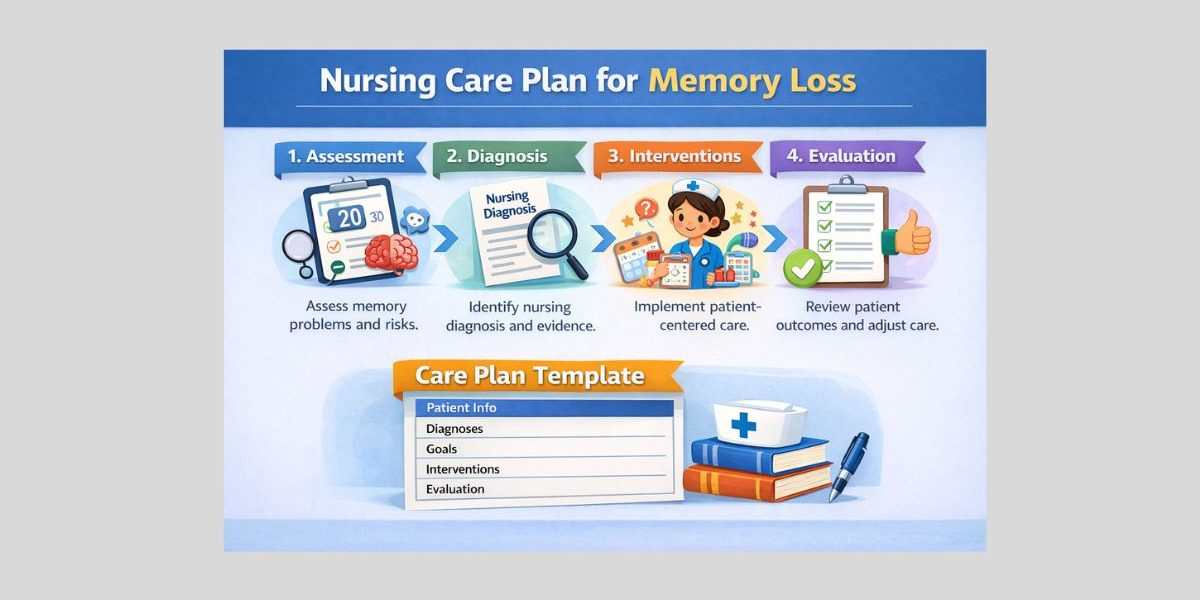
Nursing Care Plan for Memory Loss: Comprehensive Guide
Memory loss, whether due to aging, dementia, or other conditions, creates uncertainty, fear and frustration for patients and families. It affects everyday activities like remembering names, appointments or taking medication and can pose serious safety risks. Many nurses and caregivers feel overwhelmed crafting a Nursing Care Plan for Memory Loss that addresses these complex needs, integrates evidence‑based interventions and supports family caregiving. This in‑depth guide explains why you need such a plan, outlines challenges, delivers a step‑by‑step process and highlights professional support services to help you succeed.
Understanding the Challenges of Memory Loss in Nursing Care
Memory loss is not a normal part of aging but a symptom of underlying conditions like dementia, mild cognitive impairment (MCI), or brain injury. Dementia, including Alzheimer’s disease, causes progressive decline in memory and cognitive functions. According to the cognitive impairment chapter in Nursing Fundamentals, nurses should assess memory impairment using standardised tools such as the Mini‑Mental State Exam (MMSE) and the Mini‑Cog[1]. However, misperceptions about aging known as ageism can delay early recognition and treatment[2]. This leads to missed opportunities for intervention.
Emotional and Practical Burdens
Family members often struggle with guilt, grief and stress as they watch loved ones forget names and faces. Daily routines become complicated because individuals with memory loss may forget to eat, wander or engage in unsafe behaviors. Caregivers must balance their own lives with constant supervision and assistance. Without a structured nursing care plan, these burdens can become overwhelming.
Lack of Knowledge and Skills
Many nursing students and caregivers lack formal training on cognitive assessment, therapeutic communication and behavioural management. They may not know how to implement safety measures, provide orientation cues or modify the environment to reduce agitation. A comprehensive Nursing Care Plan for Memory Loss guides caregivers through assessment, diagnosis, interventions and evaluation, ensuring that each patient receives personalised, evidence‑based care.
Treatment Complexity
Memory loss can stem from reversible causes such as infection, medication side effects, depression or vitamin deficiencies or progressive neurodegenerative diseases like Alzheimer’s. The U.S. Food and Drug Administration (FDA) has approved cholinesterase inhibitors and memantine to treat cognitive symptoms of Alzheimer’s[3]. These medications may slow progression but do not cure the disease. This complexity requires careful assessment and collaboration with physicians and pharmacists.
Why Nursing Care Plans Are Essential for Memory Loss
Developing a structured care plan improves patient safety, preserves dignity and enhances quality of life. A nursing care plan also ensures consistency among caregivers, legal documentation and continuity of care.
Enhances Safety and Quality of Life
Memory loss increases risk of falls, wandering, medication errors and self‑neglect. A care plan outlines safety measures such as fall precautions, bed alarms, wander guards and environmental modifications. Standardised tools help nurses objectively assess cognitive changes and identify impairments[1]. Interventions target physical, psychological and social needs, promoting independence and self‑care.
Promotes Evidence‑Based Practice
Nursing diagnoses, interventions and evaluations should be grounded in research. The cognitive impairment chapter highlights common NANDA‑I diagnoses for patients with memory loss, including Self‑Care Deficit, Risk for Injury, Impaired Memory, Impaired Coping and Social Isolation[4]. Evidence‑based interventions focus on safety, orientation, cognitive stimulation and emotional support[5].
Supports Family and Caregivers
A clear care plan empowers families by providing practical strategies to manage behaviour, communicate effectively and maintain meaningful relationships. It offers education on disease progression, medications and community resources. Coordination with social workers can address transportation, finances and respite care.
Legal and Ethical Documentation
Nursing care plans document assessments, interventions and outcomes, demonstrating adherence to standards and protecting nurses legally. They also ensure continuity across care settings. Ethical principles such as autonomy, dignity and beneficence guide decision‑making and respect patients’ cultural values.
Pathophysiology and Types of Memory Loss
Memory loss manifests in different forms, each with distinct causes, progression and management. Understanding these helps nurses tailor interventions.
Normal Aging vs. Pathological Memory Loss
Normal aging may involve occasional forgetfulness, such as misplacing items or forgetting names but remembering them later. These changes do not significantly impair daily functioning. In contrast, pathological memory loss, caused by diseases interferes with daily activities and progressively worsens.
Mild Cognitive Impairment (MCI)
MCI involves noticeable decline in memory or thinking skills beyond expected aging but not severe enough to interfere with daily activities. People with MCI have an increased risk of developing dementia but can remain stable for years. Early identification and lifestyle modifications (e.g., cognitive exercises, diet, social engagement) may slow progression.
Dementia
Dementia is a syndrome characterised by decline in one or more cognitive domains, including memory, executive function and language. Alzheimer’s disease accounts for 60–80 % of cases. Dementia is gradual and irreversible【563340877353038†L1738-L117】. It is marked by personality changes, memory deficits and impaired reasoning. Other types include vascular dementia, Lewy body dementia and frontotemporal dementia. Each has unique features but shares common symptoms: forgetfulness, difficulty with daily tasks, mood changes and confusion【563340877353038†L1723-L1745】.
Delirium
Delirium is an acute, reversible disturbance in attention and cognition, often triggered by medical illness, surgery, medications or infection. Distinguishing delirium from dementia is vital because it requires immediate intervention. Nurses should monitor for sudden changes in mental status, especially in hospitalised older adults.
Reversible Causes
Some memory problems result from vitamin B12 deficiency, hypothyroidism, depression, substance use, head injury or polypharmacy. Identifying and treating these conditions can restore cognitive function.
Comprehensive Assessment for Memory Loss
Assessment is the foundation of a successful Nursing Care Plan for Memory Loss. It gathers subjective and objective information to determine the type and severity of impairment.
Subjective Data
- Reports of forgetfulness, misplacing items, repeating questions or getting lost.
- Behaviour changes: irritability, depression, anxiety or apathy.
- Sleep disturbances, sundowning (agitation in late afternoon) or hallucinations.
- Family observations: increased reliance on reminders or memory aids【563340877353038†L633-L639】.
- Medication history, comorbidities and use of substances.
Objective Data
- Orientation: ability to state name, date, location and purpose.
- Vital signs and physical assessment to identify infection, pain or metabolic imbalances.
- Cognitive tests: MMSE, Montreal Cognitive Assessment (MoCA), Mini‑Cog[1]. These tools evaluate memory, attention, language and visuospatial abilities.
- Functional assessment: performance of activities of daily living (ADLs) and instrumental ADLs (managing finances, cooking)[6].
- Laboratory tests: complete blood count, electrolytes, thyroid function, vitamin B12, liver function.
- Imaging: CT or MRI to rule out tumors, strokes or hydrocephalus.
Risk Factor Identification
Identify non‑modifiable and modifiable risk factors:
| Risk Factor | Considerations |
|---|---|
| Age | Older adults are at greater risk but memory loss is not inevitable. |
| Family history | Genetics contribute to Alzheimer’s and other dementias. |
| Cardiovascular health | Hypertension, diabetes and high cholesterol increase risk. |
| Lifestyle | Smoking, sedentary behaviour, poor diet and excess alcohol negatively impact cognition. |
| Education and mental activity | Lower education and limited cognitive stimulation increase vulnerability. |
| Head injury | Traumatic brain injuries can cause memory impairment. |
| Depression and stress | Chronic stress and untreated depression affect memory. |
Cultural and Socioeconomic Considerations
Cultural beliefs influence perceptions of memory loss and caregiving. Some cultures may view dementia as a normal part of aging, delaying diagnosis; others may treat it as a family matter, avoiding formal support. Socioeconomic factors like income, healthcare access and social support impact management. Nurses should provide culturally competent care and connect families to community resources.
Nursing Diagnoses for Memory Loss
After assessment, formulate nursing diagnoses. These reflect patient responses to cognitive impairment and guide interventions. Common diagnoses include:
- Impaired Memory related to progressive neurodegeneration, manifested by inability to recall recent events.
- Chronic Confusion related to dementia, evidenced by disorientation, wandering and difficulty recognising familiar people.
- Risk for Injury related to cognitive impairment, manifested by wandering, poor judgment and impaired safety awareness.
- Self‑Care Deficit related to altered cognitive function, as evidenced by inability to perform ADLs[7].
- Impaired Social Interaction related to withdrawal, depression and communication difficulties.
- Caregiver Role Strain for family members overwhelmed by caregiving responsibilities.
Prioritising Diagnoses
Prioritise based on life‑threatening risks. Safety issues (e.g., risk of injury, falls, wandering) take precedence. Address physiological needs (e.g., nutrition, hydration) before psychological or social concerns. Consider the patient’s values, cultural context and caregiver capacity.
Planning: Setting SMART Goals
Planning transforms diagnoses into actionable goals. Use SMART criteria (Specific, Measurable, Achievable, Relevant, Time‑Bound) to define desired outcomes.
Examples of Goals and Expected Outcomes
- Safety Goal: Patient will remain free from injury for the duration of hospital stay, as evidenced by absence of falls or wandering incidents.
- Orientation Goal: Patient will correctly identify own name and caregiver names at least 80 % of the time within two weeks.
- Memory Enhancement Goal: Patient will recall names of two family members after viewing photographs within one month.
- Self‑Care Goal: Patient will complete morning hygiene with minimal assistance (cueing only) within four weeks.
- Caregiver Support Goal: Caregiver will verbalise understanding of disease progression and stress management strategies within two sessions.
Each goal should align with the patient’s functional level, preferences and available resources.
Implementation: Evidence‑Based Interventions
Implementation involves executing the care plan. Interventions address safety, cognitive stimulation, behaviour management, environmental modifications and caregiver education.
Safety Interventions
- Fall and Wandering Precautions: Install bed alarms, door alarms and wandering devices as needed. Keep frequently used items within reach. Use non‑slip footwear and adequate lighting. Place visual cues (e.g., signs, pictures) to orient to location[8].
- Environmental Safety: Reduce clutter, remove tripping hazards, secure medications and hazardous substances. Adjust water heater temperature to prevent burns.
- Supervision: Supervise during activities like bathing, cooking or taking medications. Provide 24‑hour supervision for severe memory loss to prevent harm.
- Medical Alert Identification: Encourage wearing an ID bracelet or carrying a card with contact information and diagnosis.
- Emergency Plan: Develop a plan for emergencies, including who to contact if the patient goes missing. Register with local safe return programs.
Orientation and Memory Enhancement
- Orientation Aids: Provide clocks, calendars, labelled photographs and signs indicating rooms. Orient the patient to person, place and time regularly but avoid repeatedly correcting them when unnecessary to prevent frustration.
- Reminiscence Therapy: Discuss past experiences and significant life events to stimulate long‑term memory and promote self‑esteem.
- Memory Aids: Use memory notebooks, reminder notes or digital devices to prompt daily tasks and appointments【563340877353038†L633-L639】.
- Cognitive Training: Encourage puzzles, word games, or computer programs that stimulate memory and problem‑solving skills. Choose activities appropriate to cognitive level.
Communication Strategies
- Simplify Language: Use short, clear sentences; one idea at a time. Avoid complex questions; offer choices rather than open‑ended questions.
- Nonverbal Communication: Maintain eye contact, smile, use gentle touch. Watch for nonverbal cues indicating discomfort or confusion.
- Validation Therapy: Acknowledge feelings and experiences rather than correcting mistakes. For example, if a patient talks about deceased relatives as if alive, respond to the emotions behind the statement.
- Positive Reinforcement: Praise efforts and successes to build confidence and encourage participation.
Behavioural Management
Behavioural symptoms like aggression, agitation and sundowning are challenging. According to Nursing Fundamentals, symptoms often result from progressive deterioration of brain cells but may be exacerbated by medications, environment or medical conditions[9]. Interventions include:
- Identify Triggers: Assess for pain, hunger, thirst, fatigue or medication side effects[10]. Unmet physical needs often manifest as agitation or aggression.
- Environmental Modifications: Reduce noise, clutter and overstimulation. Provide a calm, familiar environment with consistent caregivers. Minimising shadows and closing curtains at dusk can reduce sundowning symptoms[11].
- Consistent Routine: Establish a daily routine with regular mealtimes, activities and rest periods. Avoid scheduling challenging tasks in the late afternoon or evening.
- Redirect and Distract: When agitation occurs, redirect attention to enjoyable activities such as music, art or walking. Avoid confrontation or restraint unless safety is at risk.
- Physical Activity: Incorporate gentle exercise, stretching or movement to reduce restlessness and improve sleep.
- Medications: Use antipsychotics only as last resort for severe aggression or psychosis, given increased risk of stroke and death in older adults with dementia[12]. Monitor side effects and report to the provider.
Pharmacologic Management
Two medication classes are approved for cognitive symptoms of Alzheimer’s disease:
- Cholinesterase Inhibitors: Donepezil, galantamine and rivastigmine delay breakdown of acetylcholine, a neurotransmitter vital for learning and memory[13]. They treat early to moderate stages; common side effects include nausea, vomiting and loss of appetite[14].
- Memantine (NMDA Receptor Antagonist): Used for moderate to severe stages, memantine regulates glutamate activity and can improve memory, attention and daily function[15]. Side effects may include headache, constipation and dizziness[16].
Other medications address symptoms like depression, anxiety or sleep disturbances. Antipsychotics require careful monitoring[12].
Holistic and Nonpharmacologic Approaches
- Music and Art Therapy: Listening to or creating music and art can reduce anxiety, improve mood and stimulate cognition.
- Aromatherapy and Touch Therapy: Calming scents (lavender) and gentle massage promote relaxation.
- Pet Therapy: Interaction with animals reduces agitation and provides emotional support.
- Spiritual Support: Encourage spiritual or religious practices consistent with patient beliefs.
- Sleep Hygiene: Ensure regular sleep–wake cycles. Expose patients to sunlight in the morning and limit caffeine and daytime naps[17].
- Nutritional Support: Encourage balanced meals rich in fruits, vegetables, whole grains and omega‑3 fatty acids. Assess for swallowing difficulties and provide modified textures if needed.
Caregiver Education and Support
- Disease Education: Teach the progression of memory loss, treatment options and realistic expectations. Use simple language and encourage questions.
- Safety Training: Teach fall prevention, medication administration, and emergency procedures.
- Stress Management: Encourage caregivers to join support groups, use respite care and practise self‑care. Many caregivers experience burnout and depression; emotional support is essential.
- Legal and Financial Planning: Discuss advance directives, durable power of attorney and financial planning to ensure wishes are respected.
- Community Resources: Provide referrals to memory clinics, adult daycare, home health services and national organisations (e.g., Alzheimer’s Association).
Evaluation: Measuring Progress and Adapting the Plan
Evaluation ensures that interventions are effective and goals are met. Review SMART outcomes regularly and adjust as needed.
Evaluation Criteria
- Safety: Absence of falls, wandering incidents or injuries.
- Orientation: Improved ability to identify person, place and time.
- Memory: Ability to recall names, events or tasks using aids.
- Self‑Care: Increased independence in ADLs.
- Mood and Behaviour: Reduction in agitation, aggression or sundowning episodes.
- Caregiver Well‑being: Reduced stress, improved coping and satisfaction with support services.
If goals are not met, reassess triggers, adjust interventions and re‑evaluate the care plan. For example, if sundowning persists, increase exposure to natural light in the morning and reduce afternoon stimuli[17]. Nursing care is dynamic; continuous evaluation ensures patient safety and quality of life[18].
Case Study: Developing a Nursing Care Plan for Memory Loss
Patient Profile
Mrs. Lopez, age 78, recently diagnosed with Alzheimer’s disease, lives with her daughter. She complains of forgetfulness, misplacing items and occasional confusion about the day of the week. Her daughter reports that she leaves the stove on, forgets to take medication and gets lost in her own neighbourhood. Mrs. Lopez has hypertension and osteoporosis, managed with medications. The family has limited income and little knowledge about dementia.
Assessment
Subjective: Mrs. Lopez expresses fear of “going crazy.” She denies depression but reports occasional sadness. Her daughter notes increased irritability and anger in late afternoon and evening.
Objective: MMSE score of 22/30 indicates mild dementia. She is oriented to person but confuses date and location. Vital signs: BP 138/78 mmHg; HR 80 bpm. Gait is steady but slow. Serum levels: normal electrolytes; vitamin B12 normal. Daughter uses memory notes and pill box but reports medication mismanagement.
Nursing Diagnoses
- Impaired Memory related to neurodegenerative changes as evidenced by inability to recall recent events and misplacing items.
- Risk for Injury related to cognitive impairment and forgetfulness (e.g., leaving stove on, wandering).
- Caregiver Role Strain related to lack of knowledge and burden of managing daily care.
Planning
Short‑Term Goals:
- Mrs. Lopez will correctly identify the date and place 50 % of the time within one month.
- She will remain injury‑free for three months, as evidenced by absence of falls or accidents.
- Daughter will verbalise two stress‑management techniques after two education sessions.
Long‑Term Goals:
- Mrs. Lopez will maintain independence in personal hygiene with minimal cueing for six months.
- The family will attend a support group within two months.
Implementation
- Orientation and Memory: Place large calendar and clock in living area. Use labelled photographs of family members and frequent visitors. Encourage daily review of schedule with daughter.
- Safety Measures: Install stove shut‑off device and door alarm. Ensure adequate lighting at night. Remove rugs and install grab bars in bathroom. Provide medical alert bracelet with identification.
- Medication Management: Utilise pre‑filled pill box. Teach daughter to check medication adherence daily. Discuss with physician about simplified regimen or combination medications to reduce pill burden.
- Sundowning Management: Increase exposure to sunlight in the morning by sitting near a window or outside; avoid caffeine after noon; play soothing music in the evening; reduce noise and activity[11].
- Cognitive Stimulation: Encourage Mrs. Lopez to help with simple household tasks like folding towels or sorting silverware. Provide crossword puzzles or memory games adapted to her cognitive level.
- Exercise and Nutrition: Recommend daily 20‑minute walk and a balanced diet rich in fruits and vegetables. Monitor weight and hydration.
- Caregiver Education: Teach daughter about Alzheimer’s progression, behavioural symptoms and coping strategies. Provide contact information for local Alzheimer’s Association and respite services. Encourage journaling feelings and attending support group.
Evaluation
At three‑month follow‑up, Mrs. Lopez correctly identifies the date in 3/6 attempts, remains free of accidents and performs hygiene with occasional cueing. Sundowning episodes have decreased due to improved sleep hygiene and environment modifications. The daughter feels supported by the support group and utilises deep‑breathing exercises when stressed. Goals partly met; continue interventions and adjust as needed.
Leveraging Professional Academic Support
Creating a detailed Nursing Care Plan for Memory Loss demands time, research and clinical insight. Many students juggle coursework, clinical rotations and personal responsibilities. Our academic support services provide ethical guidance to ease the burden.
Benefits of Using Our Services
- Expert Guidance: Our team consists of nurses and researchers with advanced degrees. They help you craft care plans, research papers and dissertations that meet academic standards.
- Evidence‑Based Research: We use peer‑reviewed journals, PubMed and university sources to support your work. We can guide you through data analysis, regression and inferential statistics.
- Time Savings: Outsourcing parts of your academic work gives you time to focus on clinical practice or personal commitments.
- Ethical Practice: We provide support and editing not ghostwriting, so you can learn while maintaining integrity.
- Customized Solutions: Every project is tailored to your unique needs, assignment criteria and academic level.
Learn more about our mission and values on the About Us page.
How the Process Works
We make collaboration simple and transparent:
- Submit Your Request: Use our order form to provide assignment details, deadlines and guidelines.
- Expert Matching: We select a qualified writer or analyst based on topic expertise and timeline.
- Collaboration: Communicate directly with your expert. Review drafts, provide feedback and ask questions.
- Quality Review: Our editors ensure your work adheres to academic guidelines, proper citations and your specific instructions.
- Delivery and Revision: Receive your completed work by the deadline. Request adjustments if needed.
Check nursing dissertation pricing for transparent cost information. Our refund policy protects your investment.
How to Choose the Best Service
Consider these factors when selecting academic assistance:
- Credentials: Look for services employing qualified nurses and academics.
- Quality Guarantees: Ensure plagiarism checks, peer review and adherence to referencing styles.
- Communication: Choose platforms that allow direct interaction with experts.
- Transparency: Clear pricing, policies and testimonials build trust. See our case studies to view past successes.
- Comprehensive Services: From coursework and assignments to data analysis and DNP projects, our platform offers extensive support. Explore dnp dissertation help and dissertation data analysis help.
Selecting the right service ensures you receive tailored guidance aligned with your educational goals.
Additional Support Services for Nursing Students
We provide a suite of services to support your academic journey:
- Regression analysis help: For quantitative studies involving multiple predictors.
- Inferential statistics help for nursing research: Assistance with t‑tests, ANOVA, chi‑square and more.
- Qualitative data analysis: Guidance on coding, thematic analysis and interpretation.
- Coursework help for nursing students: Support across a variety of nursing topics.
- Nursing assignment help: Assistance with case studies, care plans and critical essays.
- Report writing: Professional formatting and editing for clinical or research reports.
- Do my homework service: Step‑by‑step guidance for problem sets and homework.
- Nursing homework help: Support for daily assignments.
Ethical Considerations and Responsibilities
Providing care to individuals with memory loss involves ethical and legal responsibilities. Nurses must uphold:
- Autonomy: Respect patient choices and involve them in decision‑making as much as possible.
- Beneficence and Non‑maleficence: Act in the patient’s best interests and avoid harm. Use restraints only when absolutely necessary.
- Justice: Provide equal care regardless of race, gender, socioeconomic status or age. Ageism can lead to misdiagnosis and discrimination[2].
- Confidentiality: Protect patient information and uphold privacy standards.
- Informed Consent: Ensure patients and families understand treatment options, risks and benefits.
Academic honesty is equally important. When using academic support services, ensure you collaborate ethically—use guidance to improve your learning rather than submitting another person’s work. Plagiarism and cheating undermine professional values and can jeopardise licensure.
Frequently Asked Questions (FAQs)
- What distinguishes normal forgetfulness from memory loss requiring a nursing care plan?
Occasional forgetfulness is normal in aging, like misplacing keys. Memory loss requiring intervention significantly interferes with daily life forgetting appointments, repeating conversations or getting lost in familiar places. It may indicate MCI or dementia. - How do nurses assess memory loss?
Nurses use standardised tools such as the MMSE and Mini‑Cog to evaluate memory, orientation and cognitive abilities[1]. They also interview family members, review medical history and perform functional assessments[6]. - What are common nursing diagnoses for memory loss?
Impaired Memory, Chronic Confusion, Risk for Injury, Self‑Care Deficit and Caregiver Role Strain are common diagnoses. These diagnoses guide interventions and outcomes[4]. - Can memory loss be reversed?
Some causes (e.g., vitamin B12 deficiency, depression, medication side effects) are reversible with proper treatment. However, neurodegenerative conditions like Alzheimer’s are progressive. Early detection and interventions can slow progression but not cure the disease. - How can caregivers manage sundowning?
Expose the patient to bright light in the morning, limit late‑day caffeine, maintain quiet evenings, reduce overstimulation and close curtains at dusk[11]. - When are antipsychotics appropriate for memory loss?
Antipsychotics should be used only when behaviours present a danger or cause severe distress and after other interventions have failed[12]. Use minimal dosage for the shortest time and monitor closely.
Final Call to Action
Memory loss can be devastating, but a well‑designed Nursing Care Plan for Memory Loss provides hope, structure and improved quality of life. By using standardised assessment tools, prioritising safety, implementing evidence‑based interventions and collaborating with families, nurses make a profound difference. This guide offers a comprehensive framework to support your clinical practice and academic assignments.
If you’re struggling with care plan development, research papers or data analysis, our team is here to help. Visit our how it works page to get started, explore our case studies to see past successes and check our pricing. Place an order today for ethical, expert guidance. Together we can improve outcomes for those facing memory loss and advance your nursing career.
References
[1] [2] [3] [4] [5] [6] [7] [8] [9] [10] [11] [12] [13] [14] [15] [16] [17] [18] Chapter 6 Cognitive Impairments – Nursing Fundamentals – NCBI Bookshelf
