

Nursing Care Plan for Anemia: Comprehensive Service Guide
Nursing Care Plan for Anemia is a topic that perplexes many nursing students and practicing nurses. They see patients with fatigue, pallor, dizziness and shortness of breath and know anemia is likely, yet translating those symptoms into a formal nursing care plan can feel daunting. The real problem is that anemia is not a disease but a presentation of an underlying condition; it can be microcytic, normocytic or macrocytic, acute or chronic, and the underlying causes range from iron deficiency to bone marrow failure. Without a clear guide, care plans often become generic or fail to address the actual cause. This service page offers a step‑by‑step blueprint to help you craft a confident, individualized Nursing Care Plan for Anemia that improves patient outcomes and meets academic requirements.
Understanding Anemia: Why You Need a Specific Care Plan
Anemia affects up to one‑third of the global population and is more common in women, the elderly and people living in developing countries[1]. It is characterized by a reduction in hemoglobin, hematocrit or red blood cell count[2] and leads to decreased oxygen‑carrying capacity and tissue hypoxia. Anemia is not a diagnosis but a presentation, and its causes vary widely from iron deficiency and chronic disease to vitamin B12 deficiency and blood loss[3]. Different types of anemia require different interventions: microcytic anemias such as iron deficiency are treated with iron supplementation[4]; macrocytic anemias like pernicious anemia require vitamin B12 replacement[5]; and normocytic anemias may be due to chronic disease or bone marrow disorders[3]. A one‑size‑fits‑all plan simply does not work.
Complicating matters further, anemia often has an insidious onset. Patients may not notice symptoms until hemoglobin levels drop below 7 g/dL[6]. When they do appear, symptoms can include weakness, fatigue, shortness of breath, chest pain and cognitive impairment[7]. Many of these symptoms overlap with other conditions, making accurate assessment crucial. Nurses must quickly identify underlying causes, monitor lab values and coordinate interventions with an interprofessional team[8]. Having a structured, evidence‑based nursing care plan can make this complex process manageable and ensure that patients receive timely, individualized care.
What This Guide Covers
This comprehensive service page will walk you through the entire process of creating a Nursing Care Plan for Anemia. It begins with an exploration of the challenges nurses face when dealing with anemia and then outlines why a formal care plan is vital. You will learn how to perform a detailed assessment, choose appropriate nursing diagnoses, set SMART goals, implement targeted interventions and evaluate outcomes. The guide includes evidence from peer‑reviewed journals and official guidelines to support clinical decisions and enhance your academic writing. Additionally, we will highlight how our nursing research paper help and clinical medical writing service can support your academic needs ethically and effectively.
Challenges Nurses Face When Creating a Care Plan for Anemia
Developing a robust Nursing Care Plan for Anemia is challenging for several reasons:
- Complex Etiology and Classification – Anemia is classified by the mean corpuscular volume (MCV) into microcytic, normocytic or macrocytic categories, each with different underlying causes[9][3]. Nurses must understand the pathophysiology of each type to choose appropriate interventions. For example, iron deficiency (microcytic) requires iron supplementation, whereas macrocytic anemia due to pernicious anemia requires B12 injections[5].
- Variable Presentations – Symptoms can be mild or severe and are influenced by the rate of onset and co‑morbid conditions. Many patients remain asymptomatic until hemoglobin falls below 7 g/dL[6]. In chronic anemia, symptoms like fatigue, dizziness, dyspnea and cognitive impairment are common[7]. Nurses must differentiate these symptoms from other conditions, which requires sharp assessment skills.
- Diagnostic Workup – Accurate diagnosis involves multiple tests: complete blood count (CBC), corrected reticulocyte count, serum iron, ferritin, total iron‑binding capacity and peripheral smear[10][11]. Specific tests may be needed to confirm conditions such as pernicious anemia (serum B12, intrinsic factor antibodies, gastric biopsy)[12] or iron‑deficiency anemia (serum ferritin, stool for occult blood)[13]. Nurses must coordinate these investigations and interpret results accurately.
- Multiple Interventions – Treatment depends on the cause: transfusions for severe anemia, iron supplementation, vitamin B12 injections, folate supplementation, erythropoietin injections, removal of offending drugs or treatment of underlying conditions[4][14]. Each intervention has specific monitoring requirements and side effects.
- Long‑Term Follow‑Up and Education – Chronic anemia often requires long‑term management and lifestyle modification. Patient education is essential: instructing patients on nutrition, medication adherence, monitoring symptoms of bleeding or neurological deficits and when to seek help[15][16]. Nurses must also plan for coordination with specialists and ensure continuity of care[8].
Research Backs These Challenges
Peer‑reviewed studies have highlighted the difficulties nurses face when managing anemia. Research shows that many patients with iron deficiency anemia are misdiagnosed or receive inadequate treatment due to incomplete evaluation[13]. Another study from the Global Burden of Disease project notes that anemia is highly prevalent among low‑income and minority populations, where access to care may be limited[17]. Nurses working in resource‑limited settings must therefore be adept at both clinical assessment and patient advocacy.
In pernicious anemia, symptoms may include neurological manifestations such as paresthesia and ataxia[18], which can persist if treatment is delayed[19]. Recognizing these signs early is critical for preventing permanent damage. Similarly, chronic anemia due to kidney disease may require erythropoietin therapy, which has specific dosing and monitoring considerations[4]. Without a structured care plan, it is easy to overlook these nuances, leading to poor outcomes.
Why a Nursing Care Plan for Anemia Is Essential
A Nursing Care Plan for Anemia is not merely an academic exercise; it is a clinical tool that ensures safe, effective and individualized care. According to StatPearls, anemia is more prevalent in women, African Americans and older adults[1] and often requires coordination between primary care, gastroenterologists, hematologists and gynecologists[20]. Without a care plan, this coordination can become fragmented, leading to duplication of tests or overlooked interventions.
Improving Patient Safety and Outcomes
Care plans help nurses track vital signs, laboratory values and symptoms over time. They guide interventions such as transfusions, iron supplementation, B12 injections and nutritional counseling. Research indicates that nurses who follow structured care plans are more likely to detect complications early, such as hypotension, tachycardia or signs of external bleeding[21]. In cases of pernicious anemia, monitoring neurological status and educating patients about fall precautions can prevent injuries[16].
Facilitating Interprofessional Collaboration
Anemia management often requires collaboration among physicians, nurses, dietitians, social workers and pharmacists. A written care plan ensures that all team members understand the patient’s diagnosis, interventions and goals. Effective care coordination has been shown to improve patient satisfaction and reduce hospital readmissions[20]. Our team at nursingdissertationhelp.com values interprofessional collaboration and can assist you in integrating it into your academic work.
Meeting Academic and Professional Standards
Nursing programs and accrediting bodies often require students to develop care plans that demonstrate critical thinking, evidence‑based practice and cultural sensitivity. Creating a comprehensive care plan for anemia helps students meet these standards while preparing them for real‑world practice. If you need assistance with writing or refining your care plan, our nursing assignment help and clinical medical writing service provide expert guidance that adheres to ethical academic standards.
Benefits of Using Our Service
A professionally crafted Nursing Care Plan for Anemia can transform both your academic performance and patient outcomes. Here are some of the benefits you gain by working with us:
- Expert Guidance – Our team consists of healthcare professionals and academic writers who understand the nuances of anemia management. They integrate the latest research and guidelines into your care plan, ensuring accuracy and relevance.
- Customized Content – Every patient’s anemia is unique. We tailor your care plan to reflect the specific etiology (iron deficiency, chronic disease, pernicious anemia, etc.), demographic factors, symptoms and personal preferences. This customization demonstrates cultural competence and holistic care.
- Evidence‑Based Practice – We only use peer‑reviewed sources such as PubMed, ResearchGate and university publications to support diagnoses, interventions and patient education. For example, studies show that iron deficiency is the most common cause of anemia worldwide[22] and that chronic inflammatory conditions can impair iron absorption and lead to functional anemia[23]. Including such evidence enhances your academic credibility.
- Clear Structure and Documentation – We organize your care plan using the nursing process (assessment, diagnosis, planning, implementation and evaluation) so that it meets academic standards and clinical guidelines.
- Ethical Support – Our service provides guidance and templates; we do not condone plagiarism or academic dishonesty. You remain fully responsible for applying your own clinical judgment and citing sources correctly.
In addition to our care plan writing services, we offer comprehensive academic support. Visit our pages on how it works, nursing dissertation pricing, nursing research paper help, dissertation data analysis help and qualitative data analysis for more information. We also assist with regression analysis and inferential statistics if your assignment requires statistical analysis.
How Our Process Works
Our streamlined process ensures that you receive a high‑quality, evidence‑based Nursing Care Plan for Anemia without unnecessary stress. Here’s how it works:
- Submit Your Order – Use our order form to provide details about your assignment: patient age, medical history, type of anemia (if known), required word count, citation style and deadline. We do not collect personal health information; please anonymize any patient data.
- Get Matched with a Specialist – Once your order is confirmed, we match you with a writer who has expertise in hematology and nursing care plans. Our writers are registered nurses, nurse educators or medical researchers.
- Draft Development – Your assigned writer conducts a comprehensive literature review using scholarly sources (PubMed, journals, .edu websites). They draft the care plan, following the nursing process and integrating citations. The draft includes assessment findings, nursing diagnoses, goals, interventions, evaluations and patient education strategies.
- Review and Feedback – You will receive the draft for review. You can request revisions or provide feedback to ensure the plan meets your expectations. We offer multiple revisions as part of our service guarantee.
- Finalization – After revisions, you receive the final care plan along with a plagiarism report. We also provide a list of the references used (APA, MLA or Harvard style) so you can verify sources.
- Follow‑Up Support – Our relationship does not end with the delivery. If your instructor requests modifications or if you need clarification on any part of the care plan, we provide follow‑up assistance at no extra cost. Our goal is to help you succeed.
To learn more about our ethical approach and what to expect, read our about us page and refund policy. We are committed to upholding academic integrity while providing professional support.
How to Choose the Best Service for Your Nursing Care Plan
Selecting the right academic support service can be as challenging as writing a care plan. Consider the following factors:
- Credentials and Expertise – Ensure that the service employs qualified healthcare professionals and academic writers. Our team includes registered nurses, nurse practitioners, and PhD researchers with clinical and academic experience. We understand both bedside care and scholarly writing.
- Evidence‑Based Practice – Choose a service that emphasizes the use of peer‑reviewed, authoritative sources. We integrate research from PubMed and other databases to support every claim. For instance, iron deficiency anemia is the most prevalent nutritional deficiency in the world[22], and chronic inflammatory conditions like kidney disease can lead to functional iron deficiency[23].
- Customization and Confidentiality – Your service provider should tailor the care plan to your specific patient scenario and maintain strict confidentiality. We never share your details with third parties and ensure that each care plan is unique.
- Revision Policy – Look for a service that offers revisions. Our revision policy ensures you can refine your care plan until it meets your needs. Visit our report writing page for more details.
- Ethical Commitment – Avoid services that promise to “write your paper” for you. Instead, choose a provider that offers guidance and support. We encourage you to use our work as a model and to engage actively in the learning process.
Key Components of a Nursing Care Plan for Anemia
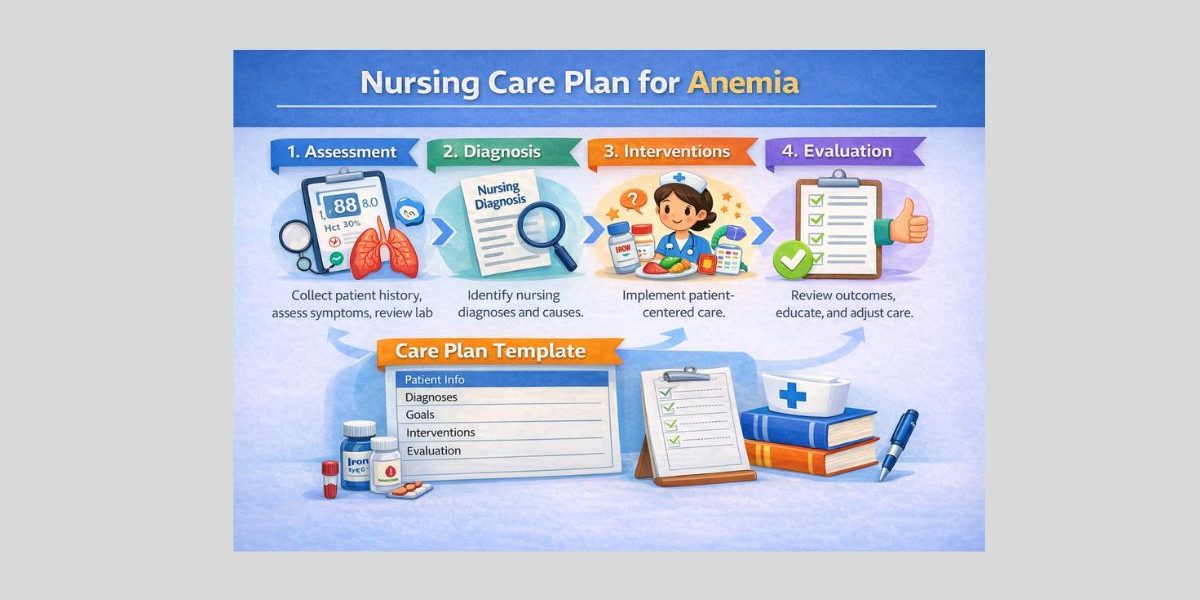
A robust Nursing Care Plan for Anemia is built using the nursing process: Assessment, Diagnosis, Planning, Implementation and Evaluation (ADPIE). Below is a detailed breakdown of each component, with examples and evidence‑based interventions.
1. Assessment: Gathering Data
Accurate assessment lays the foundation for the care plan. Begin by collecting subjective and objective data.
Subjective Data
- Symptoms: Fatigue, weakness, dizziness, shortness of breath, palpitations, headaches, cognitive impairment[7]. Patients with pernicious anemia may also report paresthesia, ataxia and mood changes[18]. Ask about diet (vegetarian or vegan diets may lead to B12 deficiency), menstrual history, GI symptoms and medication use.
- History: Document past medical history (CKD, chronic inflammatory diseases, gastric surgery), family history of hemoglobinopathies or anemia, alcohol use and home medications[24]. Ask about non‑food substance cravings (pica), which can indicate iron deficiency[25].
- Lifestyle: Assess smoking status, alcohol consumption, socioeconomic status and access to healthcare. Poor nutritional intake or malabsorption conditions like celiac disease increase the risk of iron deficiency[26].
Objective Data
- Physical Examination: Look for pallor, jaundice, tachycardia, tachypnea, hypotension, orthostatic changes, glossitis, cheilitis, koilonychia (spoon nails), splenomegaly and hepatomegaly[27]. Neurological deficits (decreased vibration sense, gait abnormalities) may indicate vitamin B12 deficiency[16].
- Vital Signs: Monitor heart rate, blood pressure, respiratory rate and oxygen saturation. In severe anemia, tachycardia and systolic murmurs can occur[28].
- Laboratory Tests: Order CBC (hemoglobin, hematocrit, MCV), reticulocyte count, iron studies (serum iron, ferritin, transferrin saturation, TIBC), vitamin B12 and folate levels, thyroid function tests and liver function tests[10]【374199604168096†L446-L546】. Stool for occult blood and peripheral smear may also be necessary. In suspected pernicious anemia, test for intrinsic factor antibodies and parietal cell antibodies[12].
- Diagnostic Imaging: For suspected GI bleeding or malignancy, consider endoscopy, colonoscopy or imaging studies[29].
2. Nursing Diagnosis
After collecting data, identify the appropriate nursing diagnoses using NANDA terminology. Common diagnoses for anemia include:
| Nursing Diagnosis | Related Factors | Evidence/Signs |
| Fatigue | Decreased oxygen‑carrying capacity of blood due to low hemoglobin[7] | Verbalized weakness, inability to perform daily activities |
| Activity Intolerance | Decreased oxygenation, dyspnea on exertion[7] | Abnormal vital signs (tachycardia, dyspnea) during activity |
| Impaired Gas Exchange | Reduced hemoglobin; potential for dyspnea | Low oxygen saturation, tachypnea |
| Risk for Decreased Cardiac Output | Severe anemia can lead to tachycardia and high‑output heart failure[30] | HR >100 bpm, hypotension, dyspnea |
| Knowledge Deficit | Inadequate understanding of anemia, diet and medication | Patient questions or misinformation about anemia |
| Risk for Bleeding | Anticoagulant therapy, GI lesions, heavy menstruation | Positive stool for occult blood, prolonged menses |
| Imbalanced Nutrition: Less Than Body Requirements | Poor intake or malabsorption of iron, B12 or folate[26] | Weight loss, dietary history |
| Risk for Falls | Dizziness, paresthesia, ataxia in pernicious anemia[18] | Unsteady gait, positive Romberg |
3. Planning: Setting SMART Goals
Planning involves establishing Specific, Measurable, Achievable, Relevant and Time‑bound (SMART) goals. Examples include:
- Short‑Term Goals
- The patient will maintain hemoglobin levels above 8 g/dL within 48 hours following transfusion (for acute anemia).
- The patient will verbalize three key causes of anemia and their specific type within 24 hours.
- The patient will demonstrate proper administration of intramuscular vitamin B12 injection before discharge[5].
- The patient will report reduced fatigue (rating <4 on a 0–10 scale) after 24 hours of iron therapy.
- Long‑Term Goals
- The patient will maintain hemoglobin >11 g/dL within 6 weeks through oral iron supplementation and diet modifications[4].
- The patient will adhere to prescribed medications and diet for anemia management with 90% compliance at the 3‑month follow‑up.
- The patient will exhibit improved activity tolerance, evidenced by walking 100 meters without dyspnea within four weeks.
- The patient will remain free from falls or injuries related to neurological deficits (for pernicious anemia) within three months[16].
4. Implementation: Evidence‑Based Interventions
Interventions should be individualized and evidence‑based. Below are common categories with examples.
Monitoring and Assessments
- Vital Signs Monitoring – Check blood pressure, pulse, respiratory rate and oxygen saturation. Monitor for tachycardia, hypotension or respiratory distress, which may indicate worsening anemia or complications[21].
- Laboratory Monitoring – Review CBC, reticulocyte count, iron studies, B12 levels and renal function regularly. Early detection of trends helps adjust therapy.[10]
- Neurological Assessment – For B12 deficiency, monitor for paresthesia, gait disturbances and cognitive changes[18].
- Bleeding Surveillance – Check stools for occult blood and assess for visible bleeding from gums or nose[15]. In pernicious anemia, monitor gastric symptoms suggestive of atrophic gastritis or early gastric cancer[31].
- Fluid Balance – Record intake and output, especially in patients receiving transfusions or IV iron.[32]
Therapeutic Interventions
- Blood Transfusion – Administer packed red blood cells (PRBC) for severe anemia (Hb <7 g/dL) or symptomatic patients[33]. Use two large‑bore IV lines and monitor for transfusion reactions. Maintain hemoglobin targets (≥7 g/dL in general; ≥8 g/dL if cardiovascular disease is present)[34].
- Iron Supplementation
- Oral Iron – Start ferrous sulfate 325 mg daily or every other day; instruct patients to take on an empty stomach with vitamin C (orange juice) to enhance absorption. Inform about side effects like metallic taste, constipation and black stools[35]. Hemoglobin usually normalizes in 6–8 weeks.
- Intravenous Iron – Use when rapid repletion is needed or when oral iron is not tolerated[36]. Monitor for hypersensitivity reactions.
- Vitamin B12 Supplementation – For pernicious anemia, administer IM vitamin B12 (1000 mcg daily for a week, then weekly for 1–2 months, and monthly thereafter)[5]. Teach self‑administration if appropriate.
- Folic Acid Supplementation – Provide oral folic acid 1 mg daily for folate‑deficiency anemia. Ensure vitamin B12 deficiency is ruled out before starting folate to avoid masking neurologic symptoms.
- Erythropoietin Therapy – In anemia of chronic kidney disease, administer erythropoietin or darbepoetin alfa; monitor hemoglobin to prevent overshoot and risk of stroke[4].
- Dietary Modifications – Encourage a diet rich in iron (red meat, poultry, fish, legumes, spinach), vitamin C and folate. Educate vegetarian or vegan patients about alternative sources and the need for B12 supplements.
- Medication Review – Identify and discontinue medications that may cause anemia (chemotherapy, antiretrovirals, NSAIDs). Consider alternatives in consultation with a physician[37].
- Treat Underlying Causes – Coordinate with specialists to treat conditions like peptic ulcers, inflammatory bowel disease, celiac disease or heavy menstrual bleeding[13]. For autoimmune hemolytic anemia, the underlying immune condition may need immunosuppression.
Patient Education
Effective patient education is essential for self‑management. Include the following topics:
- Disease Process – Explain the type of anemia, underlying cause and why specific treatments are necessary. Use simple language and visual aids if needed.
- Medication Adherence – Stress the importance of taking iron or B12 supplements as prescribed, even after symptoms improve. Discuss common side effects and ways to manage them.
- Dietary Education – Teach patients which foods are rich in iron, B12 and folic acid. Suggest pairing iron‑rich foods with vitamin C sources to enhance absorption. Caution against tea or coffee with meals as they inhibit iron absorption.
- Symptom Monitoring – Teach patients how to recognize signs of anemia or bleeding (fatigue, dyspnea, dark stools, bruising) and when to seek medical attention[21]. In pernicious anemia, instruct on neurological symptoms and when to report new or worsening paresthesia[38].
- Fall Prevention – For patients with neurological deficits or dizziness, implement fall prevention measures: encourage use of assistive devices, maintain clear walking paths, and rise slowly from sitting or lying positions[16].
Coordination of Care
Anemia management often requires an interprofessional approach. Coordinate referrals to:
- Primary Care Physician – For ongoing monitoring and coordination of treatment.
- Hematologist – For complex cases such as aplastic anemia or hemolytic anemia.
- Gastroenterologist – To investigate chronic blood loss from the GI tract.
- Gynecologist – For heavy menstrual bleeding or reproductive health issues.
- Dietitian – To provide individualized dietary counseling.
Effective communication among team members ensures timely interventions and consistent messaging to the patient[20].
5. Evaluation: Measuring Outcomes
Evaluation determines whether the interventions achieved the planned goals. Assess progress by reviewing:
- Laboratory Results – Check hemoglobin, hematocrit, reticulocyte count, iron studies and B12 levels. Hemoglobin should rise by 1 g/dL after one month of effective therapy; reticulocyte count should increase within 7–10 days after iron or B12 therapy[35].
- Symptoms and Functional Status – Evaluate fatigue level, dyspnea, activity tolerance and cognitive function. Use patient self‑reports and objective measures (e.g., distance walked, ADL performance).
- Vital Signs – Ensure heart rate, blood pressure and oxygen saturation are within normal limits[21].
- Adverse Reactions – Document any side effects of medications (GI upset, injection site reactions). Adjust therapy accordingly.
- Compliance and Learning – Assess whether the patient is adhering to diet and medications and if they can verbalize signs of complications and when to seek help[21].
If outcomes are not met, reassess the diagnosis and plan. Collaborate with the healthcare team to modify interventions or investigate other causes of anemia.
Ethical Considerations
Providing care for patients with anemia requires adherence to ethical principles:
- Autonomy and Informed Consent – Ensure patients understand their diagnosis, treatment options and potential risks so they can make informed decisions.
- Beneficence and Nonmaleficence – Interventions should benefit the patient and avoid harm. For instance, avoid unnecessary transfusions that carry risks of infection or transfusion reactions.
- Confidentiality – Protect patient privacy when discussing diagnostic results or treatment plans.
- Cultural Competence – Respect cultural dietary practices and beliefs; provide culturally appropriate nutrition guidance.
- Academic Integrity – When using our service, present the care plan as a model or reference; cite all sources properly and do not submit the work as your own.
Our do my homework service and nursing homework help emphasize ethical support. We provide guidance, not ghostwriting. For policies on refunds and ethical standards, see our nursing dissertation refund policy.
Frequently Asked Questions
1. What is the most common cause of anemia?
Iron deficiency is the most prevalent cause of anemia worldwide, affecting more than 2 billion people[22]. Iron deficiency may result from inadequate intake, impaired absorption or chronic blood loss[39]. Treatment focuses on correcting the underlying cause and providing iron supplementation.
2. How do I distinguish between different types of anemia?
Start by assessing the mean corpuscular volume (MCV). Microcytic anemia suggests iron deficiency, anemia of chronic disease or thalassemia[9]; normocytic anemia may indicate chronic disease or bone marrow suppression[40]; macrocytic anemia points to vitamin B12 or folate deficiency[41]. Reticulocyte count helps differentiate between hypoproliferative and hyperproliferative anemias[42].
3. What are the signs and symptoms of pernicious anemia?
Pernicious anemia often presents with insidious symptoms: fatigue, pallor, shortness of breath, paresthesia, ataxia and cognitive changes[18]. Because it is an autoimmune condition affecting intrinsic factor, patients typically require life‑long intramuscular vitamin B12 injections[5].
4. How is anemia evaluated?
Evaluation starts with a complete blood count and corrected reticulocyte count. Additional tests include iron studies (serum iron, ferritin, TIBC), vitamin B12, folate levels and stool for occult blood[10]【374199604168096†L446-L546】. In suspected pernicious anemia, test for intrinsic factor antibodies and consider gastric biopsy[12]. For microcytic anemias, analyze MCV and peripheral smear to differentiate iron deficiency from thalassemia or anemia of chronic disease[43].
5. Why is patient education important in anemia management?
Education empowers patients to manage their condition and prevents complications. Patients learn to take supplements correctly, recognize signs of bleeding or neurological changes and modify their diet to prevent recurrence[15][16]. Effective teaching can reduce hospital readmissions and improve quality of life. Our coursework help for nursing students can guide you in creating comprehensive education plans.
6. Is it ethical to use an academic assistance service for care plans?
Yes, provided you use the service ethically. Our support is designed to aid understanding and provide a model. You remain responsible for your learning and must properly cite all sources. Using our service is similar to consulting a tutor or mentor.
Final Call to Action
Developing a detailed Nursing Care Plan for Anemia requires a firm grasp of pathophysiology, diagnostic evaluation, nursing interventions and patient education. It also demands excellent writing skills and adherence to academic standards. If you are struggling to integrate all these elements or simply want to ensure your care plan stands out, our team at nursingdissertationhelp.com is here to assist.
We provide evidence‑based, customized templates and guidance that align with nursing standards and academic guidelines. Our nursing assignment help, report writing services and nursing homework help are designed to reduce your stress and enhance your learning. Whether you need assistance with a single care plan or full dissertation support, we have a solution that fits your budget and schedule. Contact us via our order page today, and take the next step towards mastering anemia management and excelling in your nursing studies.
References
[1] [2] [4] [7] [8] [9] [10] [15] [20] [21] [32] [33] Chronic Anemia (Nursing) – StatPearls – NCBI Bookshelf
https://www.ncbi.nlm.nih.gov/books/NBK568790/
[3] [6] [11] [14] [24] [25] [27] [28] [29] [30] [34] [35] [36] [37] [40] [41] [42] [43] Anemia – StatPearls – NCBI Bookshelf
https://www.ncbi.nlm.nih.gov/books/NBK499994/
[5] [12] [16] [18] [19] [31] [38] Pernicious Anemia (Nursing) – StatPearls – NCBI Bookshelf
https://www.ncbi.nlm.nih.gov/books/NBK568700/
[13] [17] [22] [23] [26] [39] Iron-Deficiency Anemia – StatPearls – NCBI Bookshelf
